
What's involved:
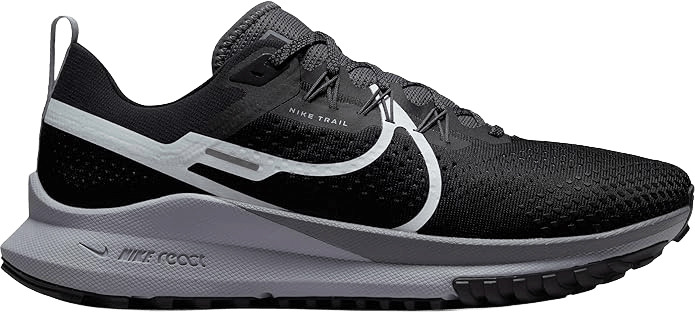
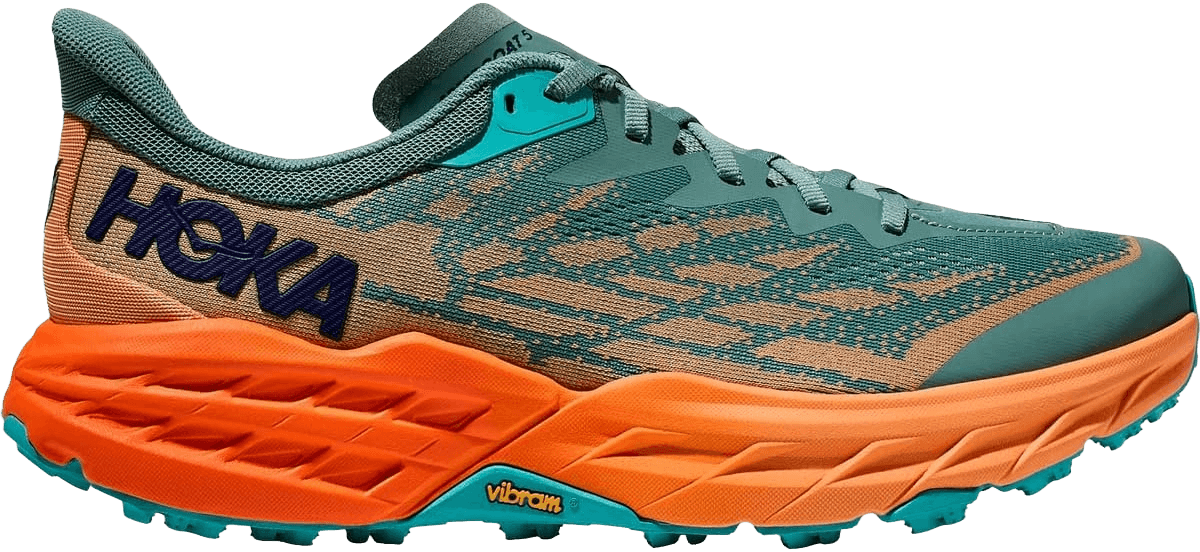
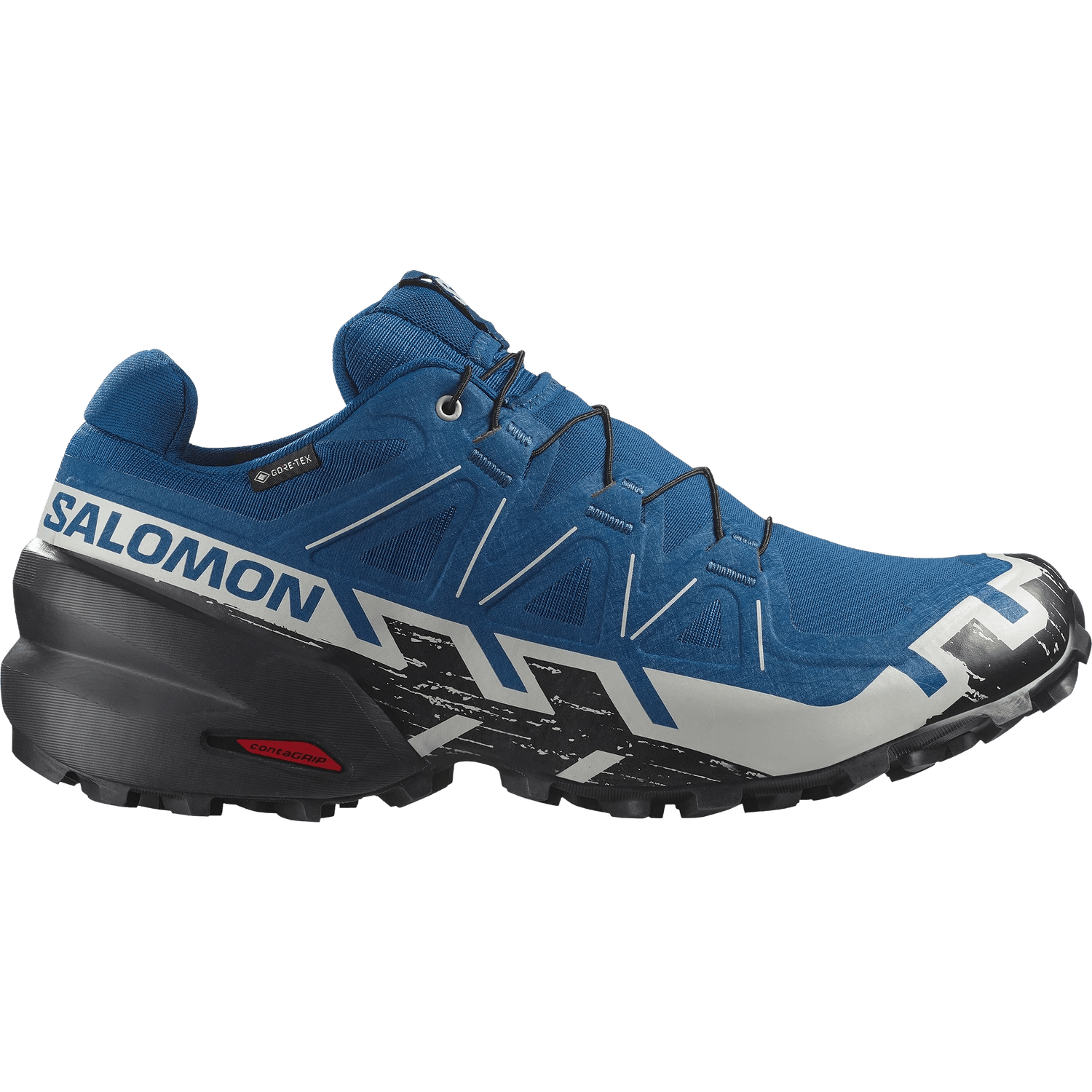
TRAIL RUNNING
HIKING
ACCESSORIES
Trail Running:
What to look for:
1 - Grip and Outsole
trail conditions change quickly - mud, loose gravel, wet rock. Look for shoes with aggressive lugs and sticky rubber to maintain traction and control
2 - Cushioning and Ground Feel
The right level of cushioning depends on distance and terrain.
lower cushioning = better ground feel and agility
more cushioning = comfort on longer runs and harder surfaces
3 - Stability and Protection
Trail shoes often include rock plates, reinforced toes, and structure uppers. these feature protect your feet from roots and sharp rocks while improving stability
4 - Fit and Drop
A secure fit prevents foot movement on steep climbs and descents. Heel-to-toe drop affects running style
lower drop = more natural, agile feel
higher drop = added comfort and calf relief
Hiking:
What to look for:
1 - Boots Vs Shoes:
Hiking boots offer more ankle support and protection, ideal for rough terrain or carrying heavier packs
Hiking shoes are lighter and more flexible, better for faster hikes, well-maintained trails, and warm conditions.
2 - Waterproofing:
look for waterproof membranes (e.g. GORE-TEX) if you hike in wet or unpredictable weather. Breathable non-waterproof options can be better in hot, dry climates
3 - Support and Stability
If you carry a heavier backpack or hike uneven trails, look for
Stiffer midsoles
good heel structure
secure lacing systems
4 - Comfort and Fit
Comfort matters more than anything. A good hiking shoe should feel secure in the heel, roomy in the toe box and comfortable straight out of the box.
Accessories:
Needs and Wants:
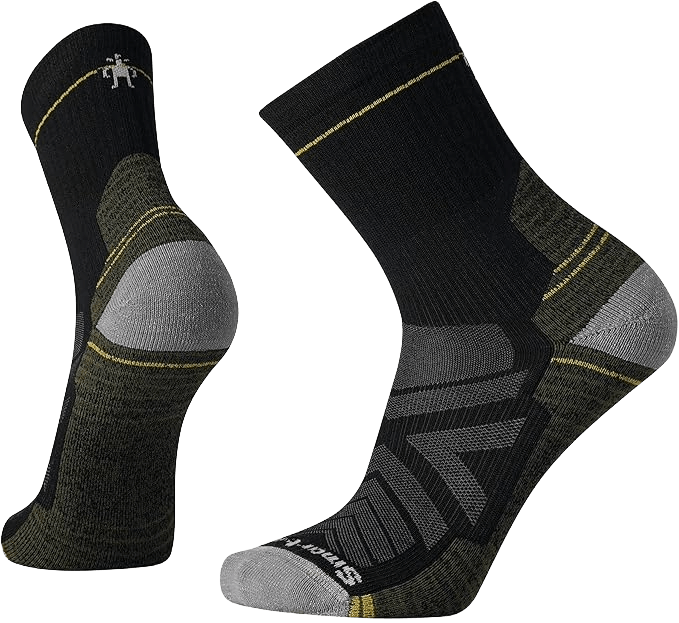
1 - Socks
Quality hiking socks reduce friction, manage moisture, and regulate temperature. Merino blends are ideal for comfort, warmth, and odor control across all seasons.
2 - Insoles
Supportive insoles help reduce foot fatigue and improve stability, particularly on long hikes or when carrying a heavier pack
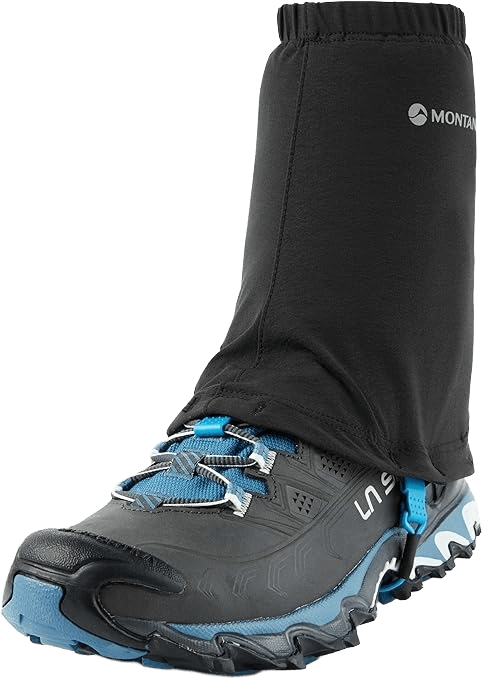
3 - Gaiters (as shown on image)
Gaiters stop mud, stones, snow and water from entering your boots or shoes. Essential for muddy trails, and winter hiking
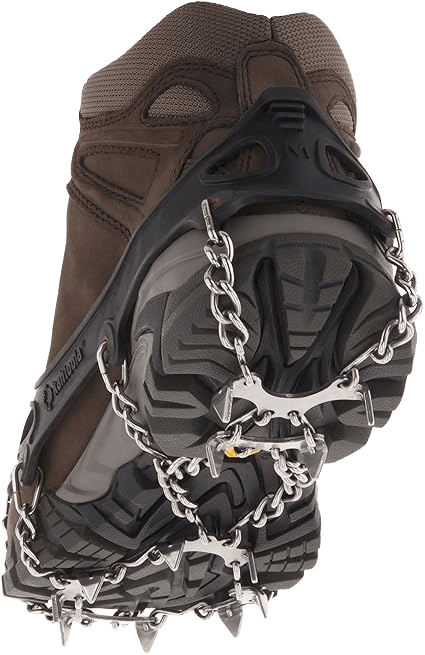
4 - Traction (micro-spikes/ crampons)
When trails turn icy or snow covered, traction devices provide grip and confidence.
Micro-spikes: best for icy paths and packed snow
Crampons: for steep, icy, or alpine terrain
5 - Foot Care
Blister plasters, tape, and anti-chafe products help prevent hot spots and keep you moving comfortably.
Built with systeme.io