What's involved:
FIRST AID KITS
HEAD TORCHES
EMERGENCY COMMUNICATION
First Aid Kits
What to look for:
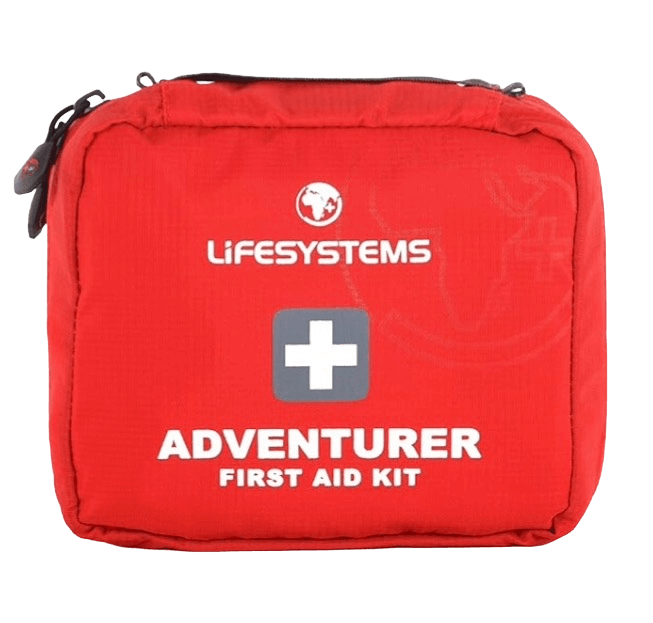
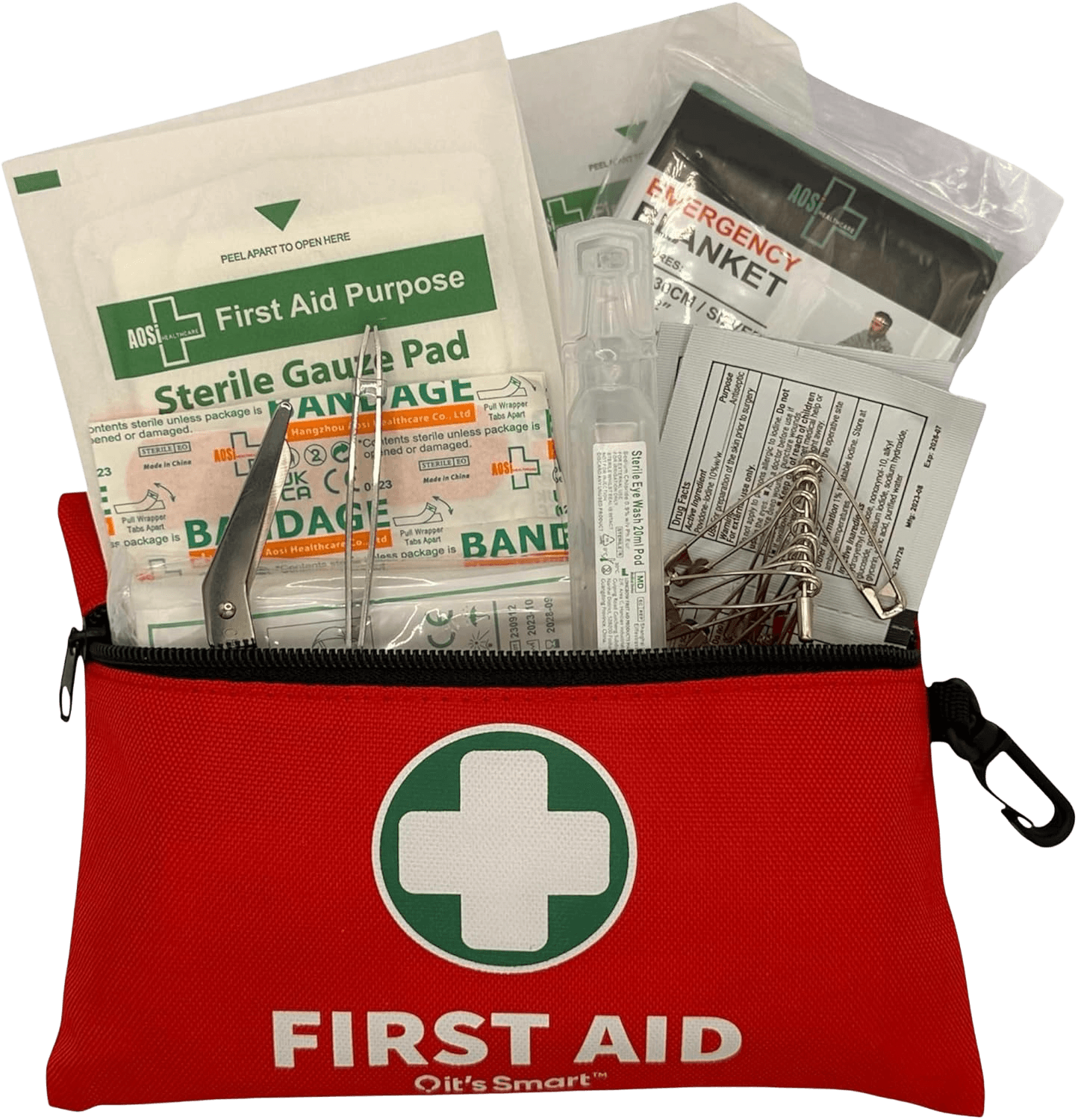
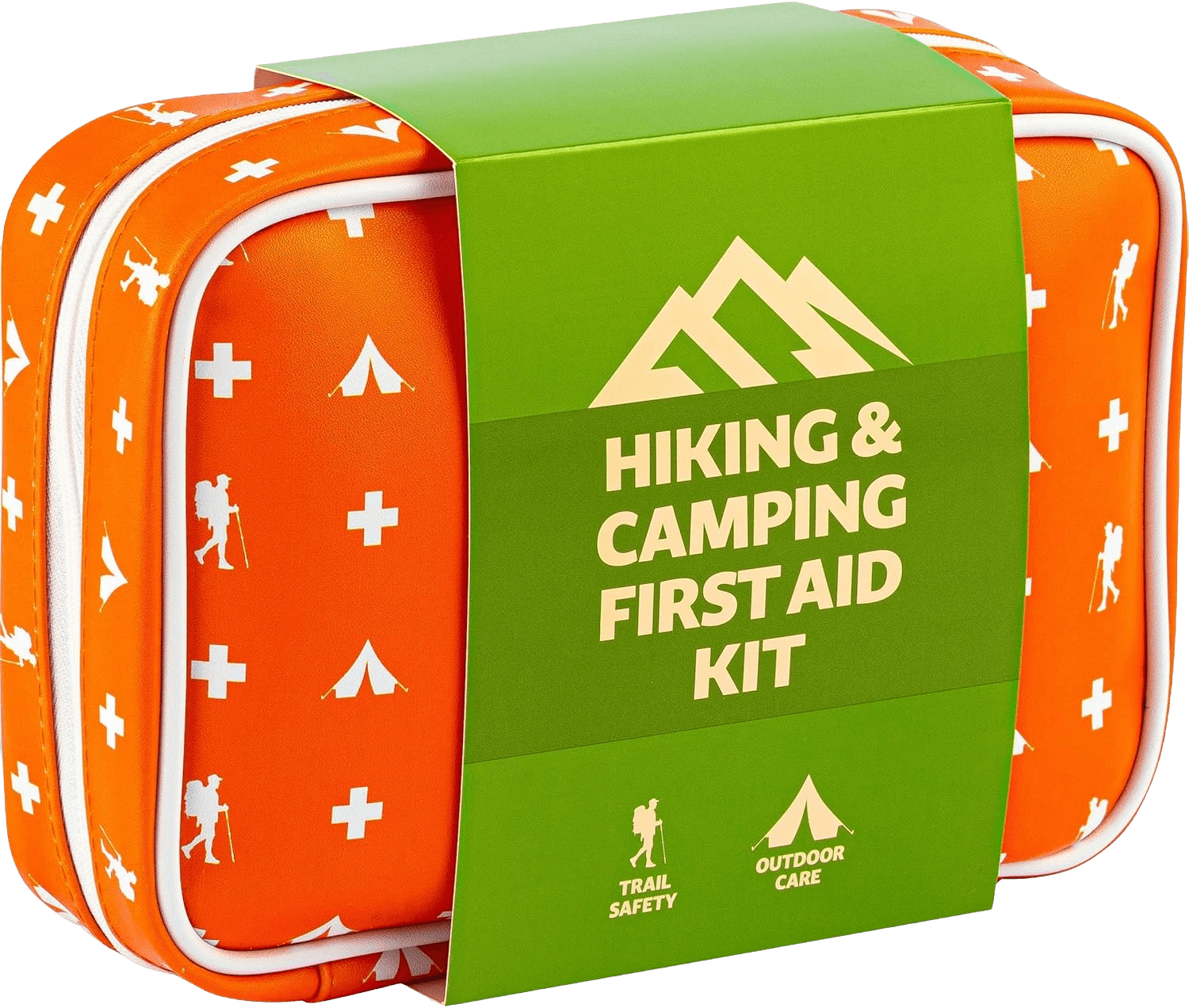
A first aid kit is one of the most important items you can carry on any hike, yet it’s often one of the first things people leave behind to save weight. Knowing you have the basics to deal with cuts, blisters, sprains and more serious injuries gives you confidence on the trail and could genuinely make a critical difference in an emergency.
Key contents to look out for:
1. Blister treatment - arguably the most used item
2. Bandages and wound dressings
3. Triangular bandage for sprains and slings
4. Emergency foil blanket - lightweight and potentially life saving
5. Pain relief such as ibuprofen and paracetamol
6. Antiseptic wipes and cream
Head Torches:
What to look for:
A head torch is one of those pieces of kit you never think you need until you desperately do. Getting caught out on a trail after dark without one is a genuinely dangerous situation, and even on day hikes where you don’t plan to be out late, delays happen. A head torch keeps your hands free and allows you to navigate, set up camp or signal for help in low light conditions.
Key features to look out for:
1. Lumens - brightness measured in lumens, 100-200 is fine for trail walking, 300+ for technical terrain
2. Beam type - flood beam for close up tasks, spot beam for distance, most torches offer both.
3. Battery life - check run time at full brightness, not just economy mode
4. Red light mode - preserves night vision and is useful in group situations
5. Weight - lighter is better, you’ll barely notice a good head torch on your head.
6. Water resistance - essential for UK weather, look for IPX4 rating minimum.
Emergency Communication
Needs and Wants:
When something goes seriously wrong in a remote location, being able to call for help can be the difference between life and death. Personal Locator Beacons (PLBs) and satellite communicators are the most reliable way to do this when you’re completely out of mobile signal, which in the UK’s mountains and remote areas is more common than people realise
Types of devices:
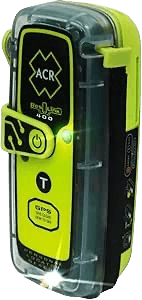
1. PLB - one way SOS signal sent out to emergency services via satellite, no subscription required
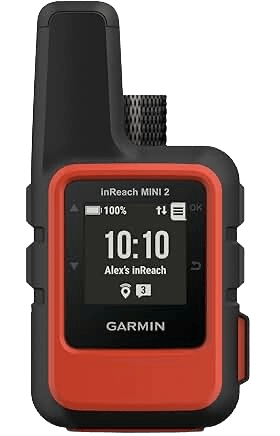
2. Satellite communicator - two way messaging, GPS tracking and SOS capability, requires a subscription
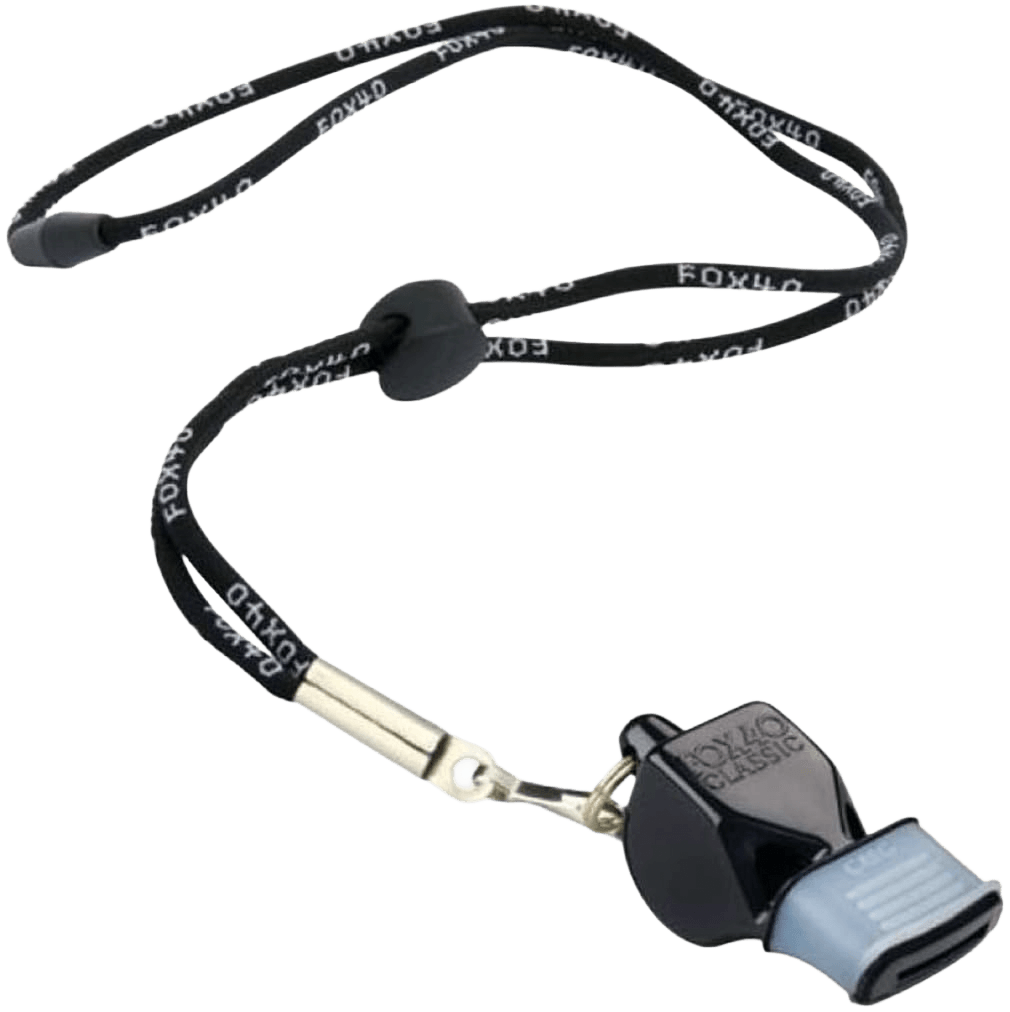
3. Whistle - simple, lightweight signalling tool that should be on every hiker regardless of other devices.
Things to look out for when buying:
1. PLBs require no subscription and are a one off purchase - great for occasional hikers
2. Satellite communicators like the GARMIN in reach allow two way messaging which PLBs don’t.
3. Battery life and whether the device needs regular charging or uses replaceable batteries
Built with systeme.io