What's involved:
TOILETRIES AND PERSONAL CARE
HAND SANITISATION AND WATER PURIFICATION
FOOT CARE
Toiletries And Personal Care
What to look for:
Personal hygiene on the trail is easy to overlook when you’re focused on kit and navigation, but staying clean and fresh on a multi-day hike makes a huge difference to your comfort and morale. The key is keeping things lightweight and biodegradable - what works at home isn’t always suitable in the outdoors.
Key items to pack:
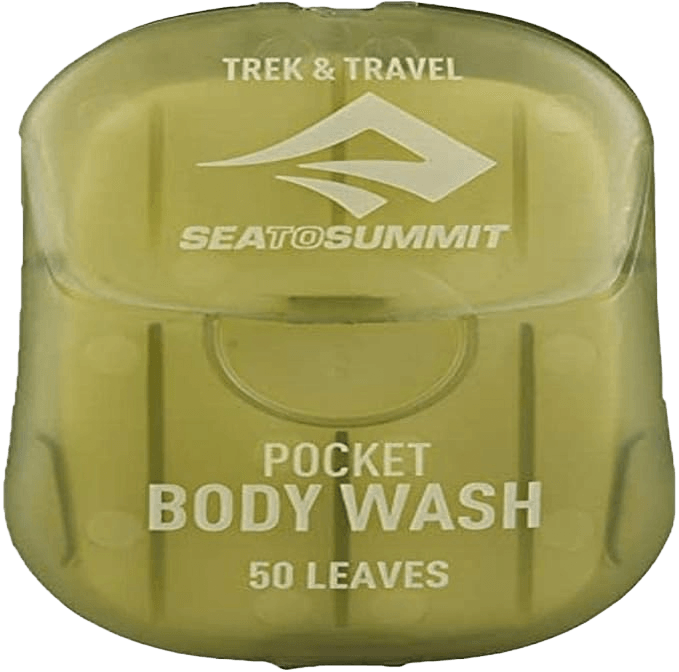
1. Biodegradable soap - works for body, hair and clothes without harming the environment
2. Microfibres travel towel - compact, fast drying and far more practical than a regular towel
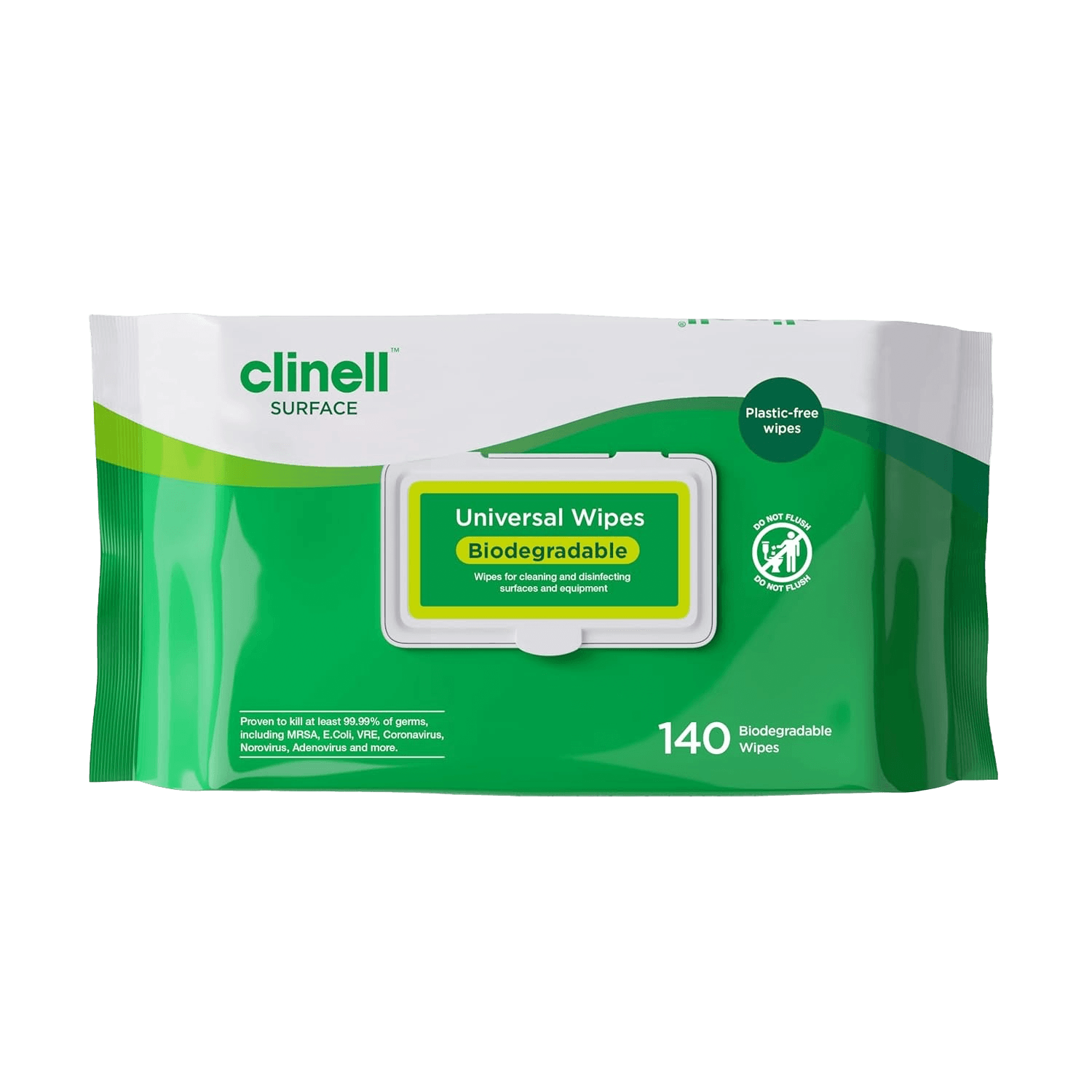
3. Wet wipes - biodegradable versions are essential for a quick freshen up on the trail
4. Toothbrush and toothpaste - a travel sized toothbrush and toothpaste tabs save significant space
5. Lip balm and Sun cream - often forgotten but essential especially on exposed high terrain.

Hand Sanitisation & Water Purification
What to look for:
Clean hands and safe drinking water are two of the most critical hygiene considerations on any hike. In remote areas where running water and soap aren’t available, having the right kit to sanitise your hands and purify water sources can prevent serious illness and keep you safe on the trail.
Water purification methods:
1. Purification tablets - lightweight, cheap and effective, ideal as a backup option
2. Filter bottles - filter as you drink directly from streams and rivers, very convenient
3. Pump filters - more thorough filtration, better for longer trips and group hiking
4. UV purifiers - fast and effective but require battery power to operate
Things to look out for when buying:
1. Purification tablets are the lightest option but can leave an aftertaste
2. Filter bottles like LifeStraw are excellent for solo day hikers
3. Check what contaminants a filter removes - not all filters remove viruses
4. Hand sanitisers should be at least 60% alcohol to be effective.
Foot Care
Needs and Wants:
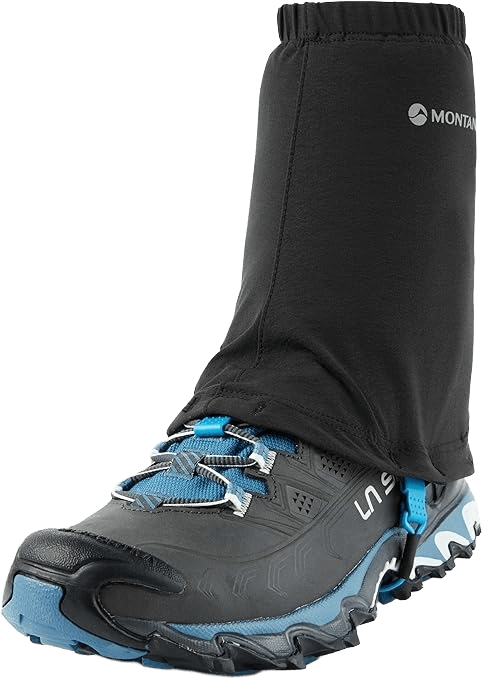
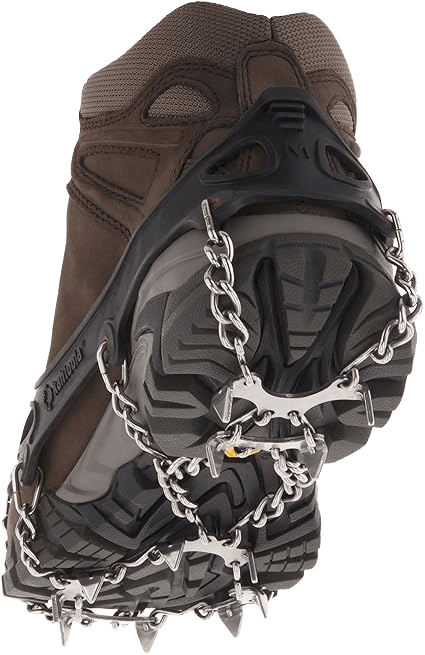
Your feet are your most important asset on the trail and looking after them properly can make the difference between an enjoyable hike and a miserable one. Blisters, hot spots and general foot fatigue are among the most common complaints from hikers of all experience levels, and the good news is that most of them are entirely preventable with the right kit and a bit of preparation.
Common foot problems on the trail:
1. Blisters - caused by friction, moisture and poorly fitting footwear
2. Hot spots - early warning sings of blisters that need addressing immediately
3. Trench foot - caused by prolonged exposure to wet conditions
4. Black toenails - usually from boots that are too short on descents
Things to look out for when buying:
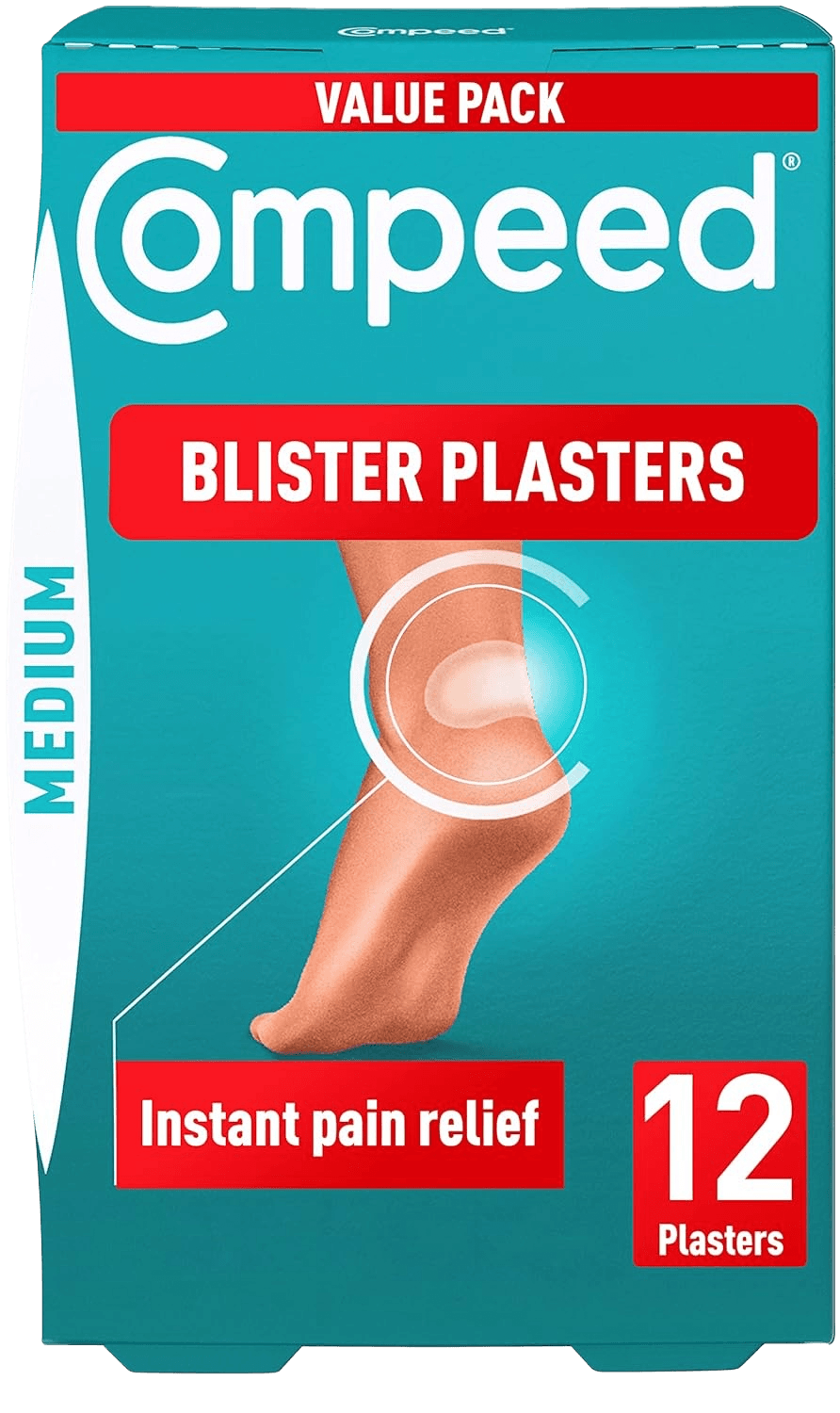
1. Blister plasters and padding should be in every hiker’s first aid kit
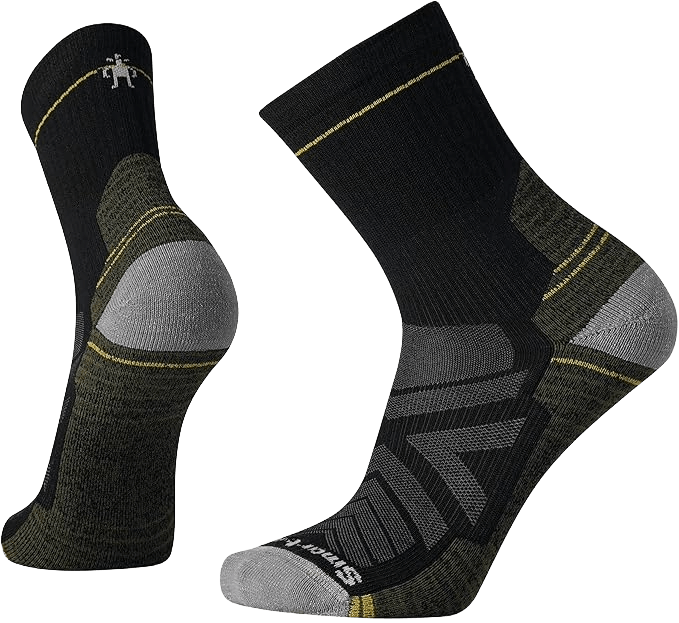
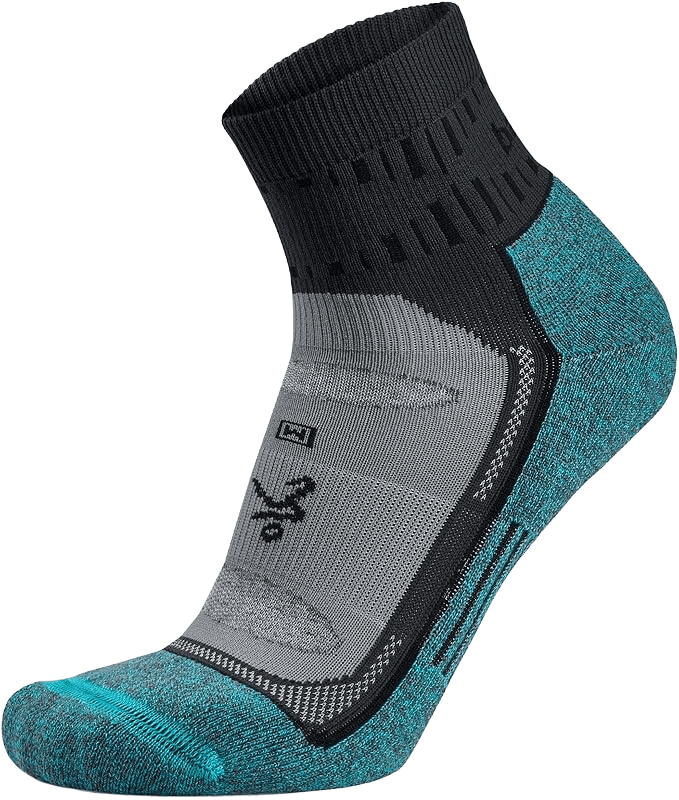
2. Merino wool or synthetic hiking socks massively reduce friction compared to cotton
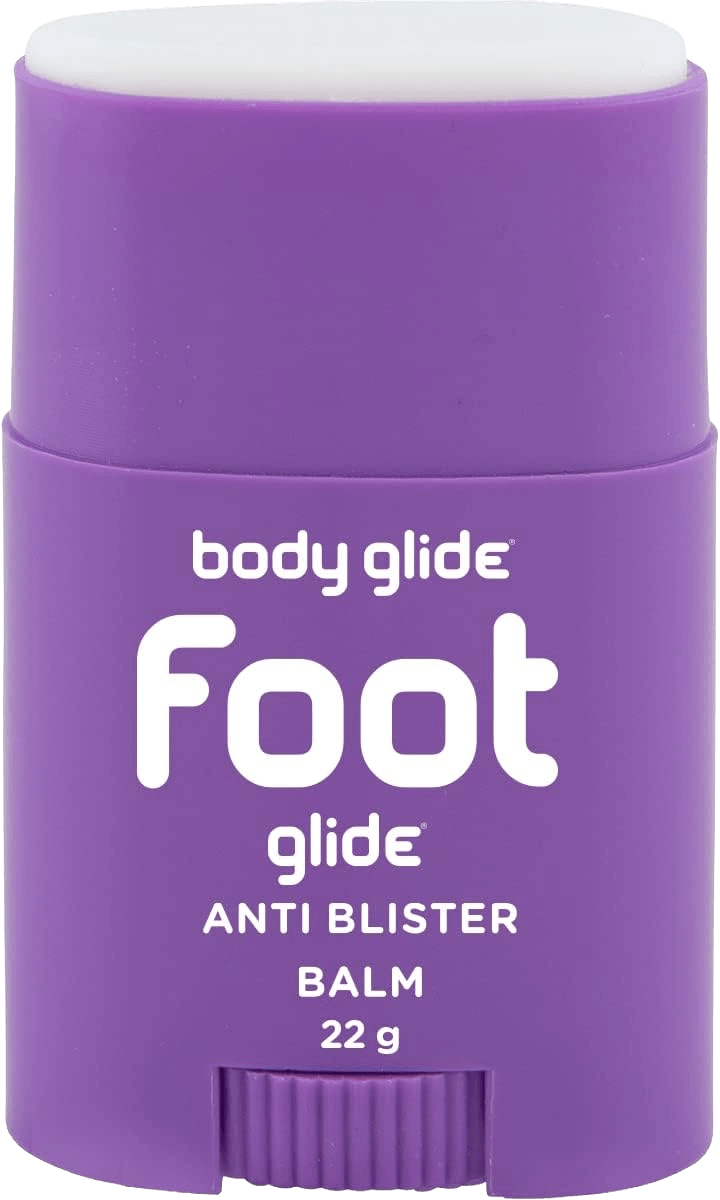
3. Anti-chafe balm applied to problem area before a hike prevents blisters forming
4. Always break in new boots before a long hike to identify problem areas early.
Built with systeme.io