
What's involved:
ACTION CAMERAS
POWER BANKS AND SOLAR CHARGERS
BONE CONDUCTION HEADPHONES
DRONES
Action Cameras
What to look for:
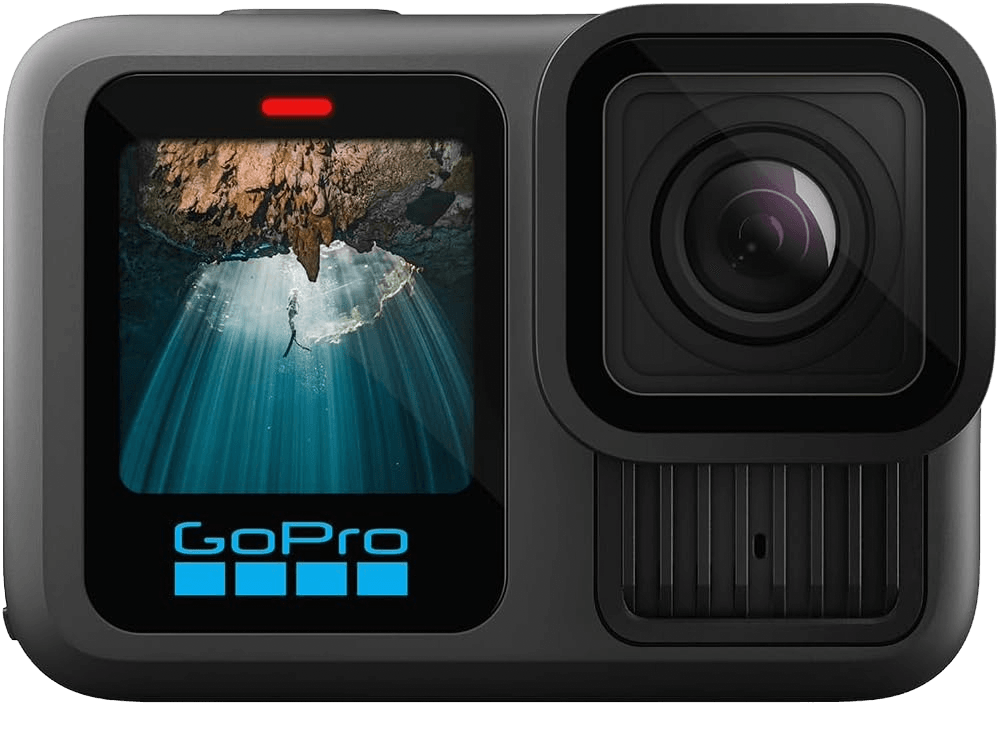
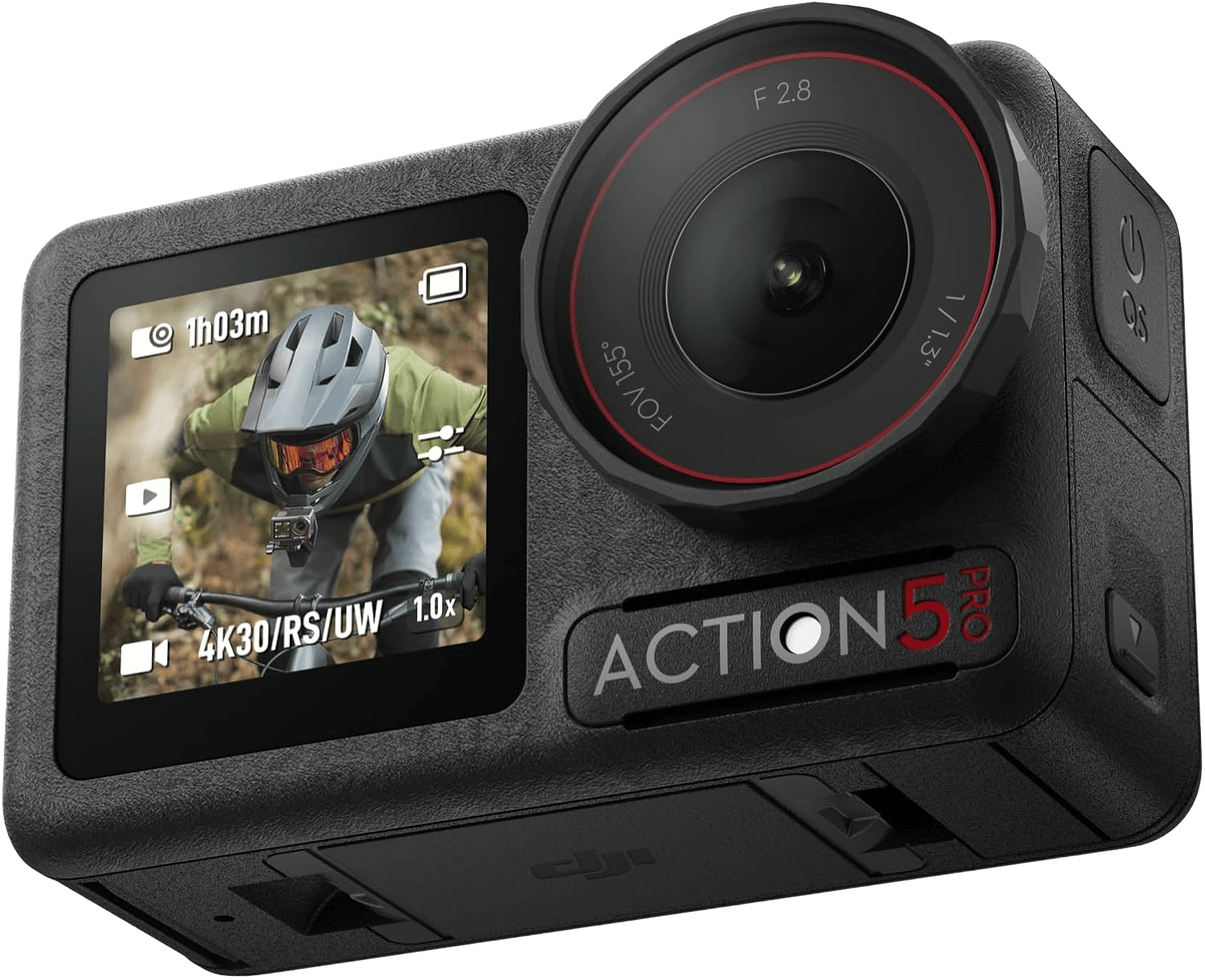
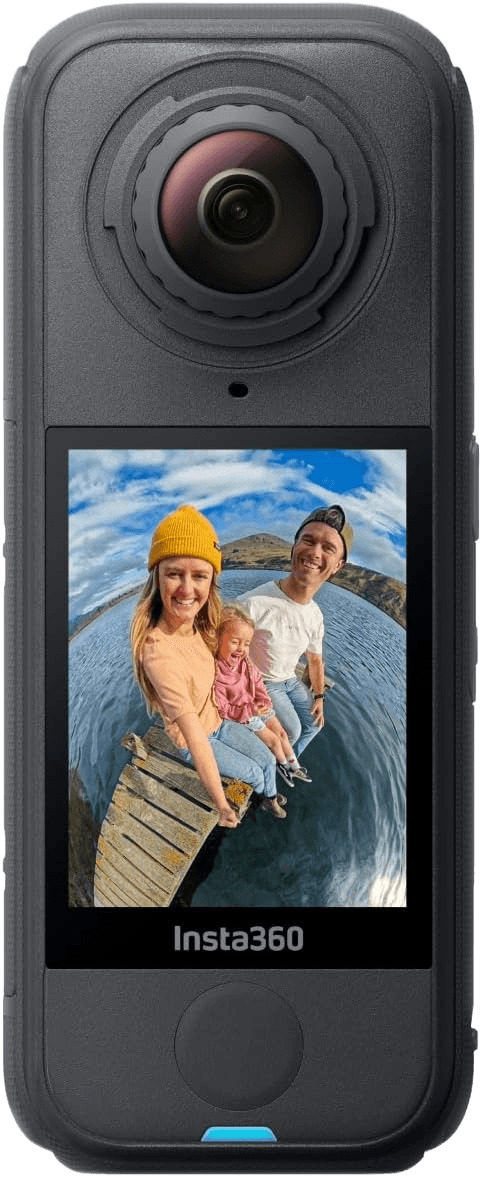
Action cameras have become one of the most popular pieces of kit among hikers and outdoor enthusiasts, and it’s easy to see why. They’re compact, rugged, waterproof, and capable of capturing stunning footage that does justice to the landscapes you’re hiking through. Whether you’re documenting a solo day hike or a multi-day expedition, a good action camera lets you relive and share your adventures in a way that a phone simply can’t match.
Key features to look for:
1. Video resolution - 4k is now the standard worth going for, higher frame rates allow smooth slow motion footage
2. Stabilisation - look for in built stabilisation as hiking footage can be very shaky without it
3. Battery life - action cameras are notorious for draining quickly, always carry spare batteries
4. Waterproofing - most leading action cameras are waterproof to a decent depth without a case
5. Mounting options - chest mounts, head mounts and pack strap mounts all give different perspectives.
Power Banks & Solar Chargers:
What to look for:
Running out of battery on the trail is more than just an inconvenience - when your phone is your navigation, your camera and your emergency communication device, keeping it charged is genuinely important. Power banks and solar chargers are lightweight, affordable and one of the most practical pieces of tech kit any hiker can carry.
Types of devices:
1. Standard power banks - charged at home before you set off, reliable and fast charging
2. Solar chargers - charge using sunlight on the trail, slower but great for multi-day hikes
3. Solar power bank combos - combine both functions in one device for maximum flexibility
Things to look out for:
1. Capacity - measured in mAh, 10,000mAh will charge most phones twice, 20,000mAh for longer trips
2. Weight - higher capacity means more weight, find the right balance for your trip length
3. Charging speed - look for USB-C and fast charging compatibility
4. Solar efficiency - solar panels vary hugely in quality, look for higher wattage panels for faster charging
TOP RECOMMENDATIONS
Hiking boots and Hiking shoes:
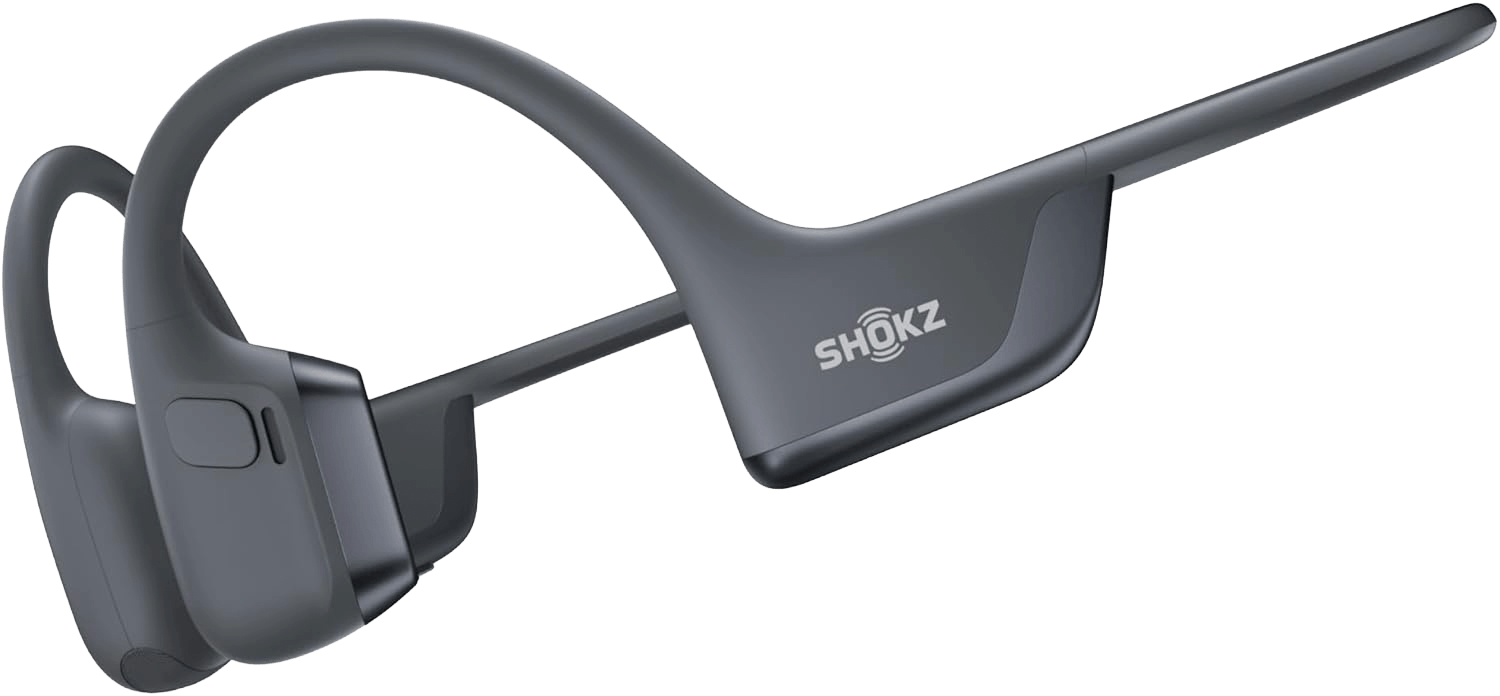
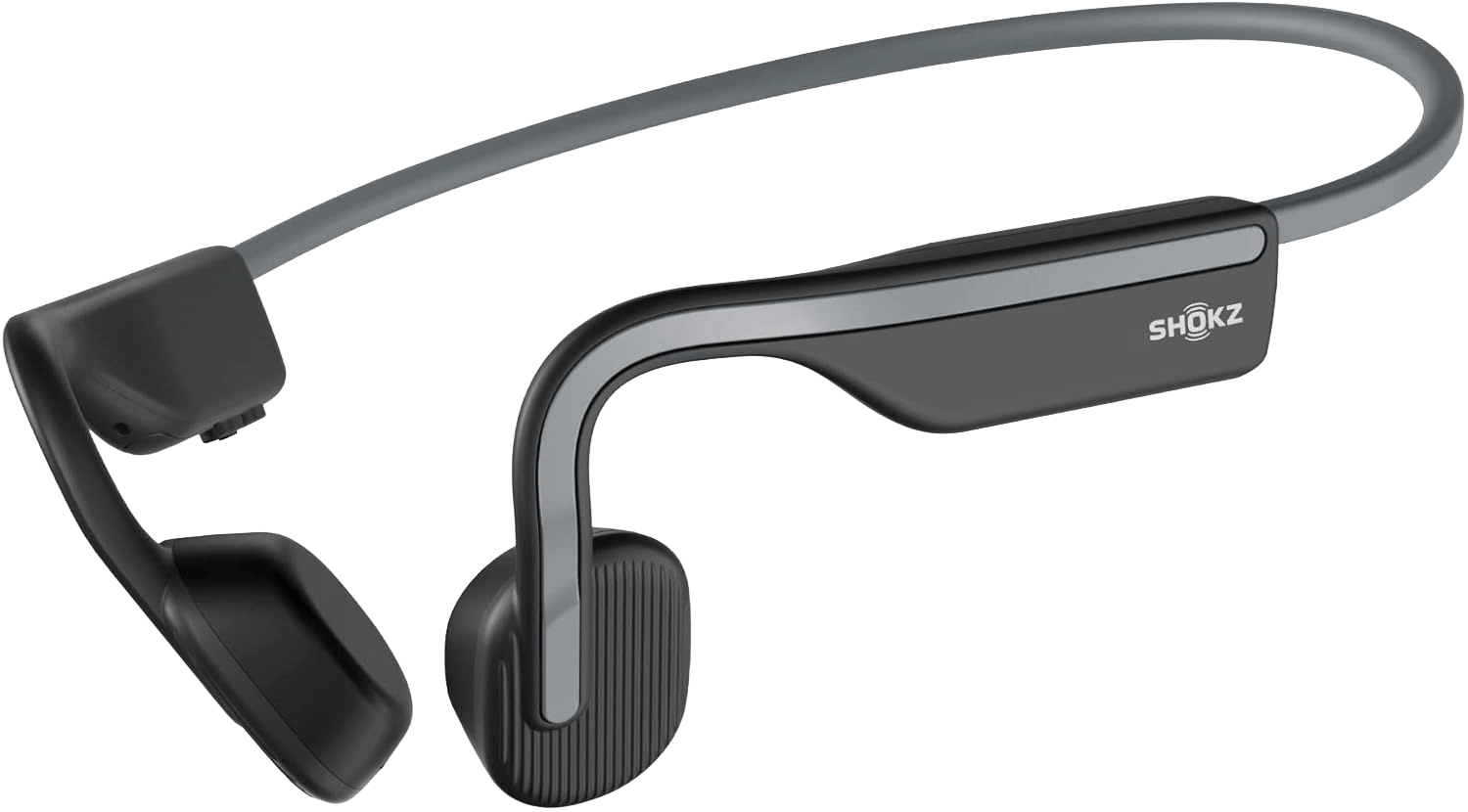
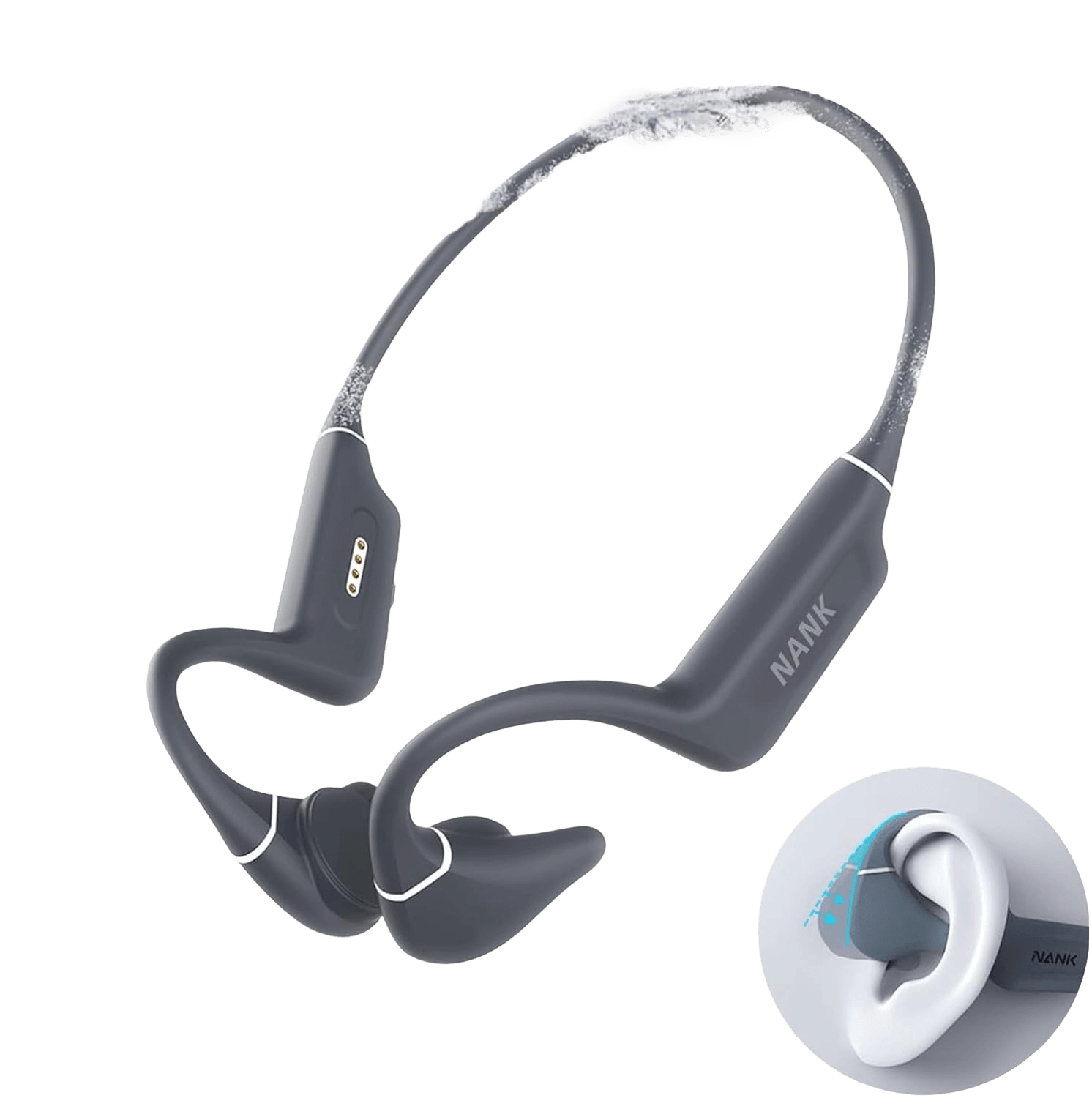
Bone conduction headphones:
Needs and Wants:
Bone conduction headphones have become increasingly popular with hikers and runners for one very simple reason - they let you listen to music or podcasts while keeping your ears completely open to your surroundings. Unlike traditional earbuds that block outside sound, bone conduction headphones sit on your cheekbones and transmit sound through vibration, meaning you can hear your music and still hear approaching weather, other hikers and potential hazards on the trail.
Key benefits for hikers:
1. Full situational awareness - you can hear everything around you while listening to audio
2. Comfortable for long wear - no ear fatigue from in ear buds on long hikes
3. Most models are sweat and water resistant
Things to look out for:
1. Sound quality - bone conduction technology has improved massively but still doesn’t match premium earbuds for pure audio quality
2. Water resistance rating - look for IP67 or higher for reliable protection in rain
3. Battery life - aim for 8 hours minimum for full day hiking
4. Fit and stability - they should sit securely without feeling tight during movement
Drones:
What to look for:
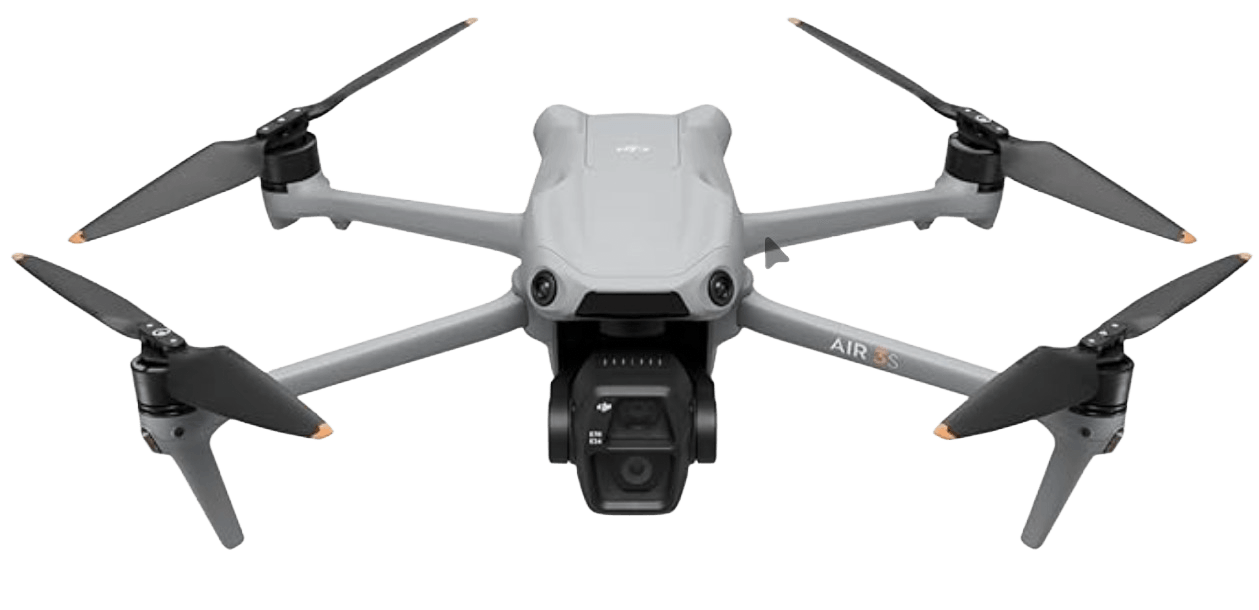
A drone takes hiking content to a completely different level, offering aerial perspectives of landscapes that simply aren’t possible with any other camera. For hikers who create content - whether for social media, a website or just personal memories - a drone is one of the most impressive tools available. The footage you can capture of trails, mountains and open countryside from above is genuinely breathtaking and immediately elevates the quality of anything you produce.
Key considerations:
1. UK drone laws - you must register with the CAA and pass a theory test before flying in the UK, always check flight restrictions in national parks and near populated areas
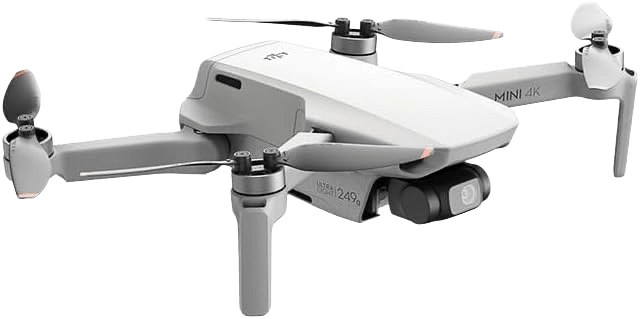
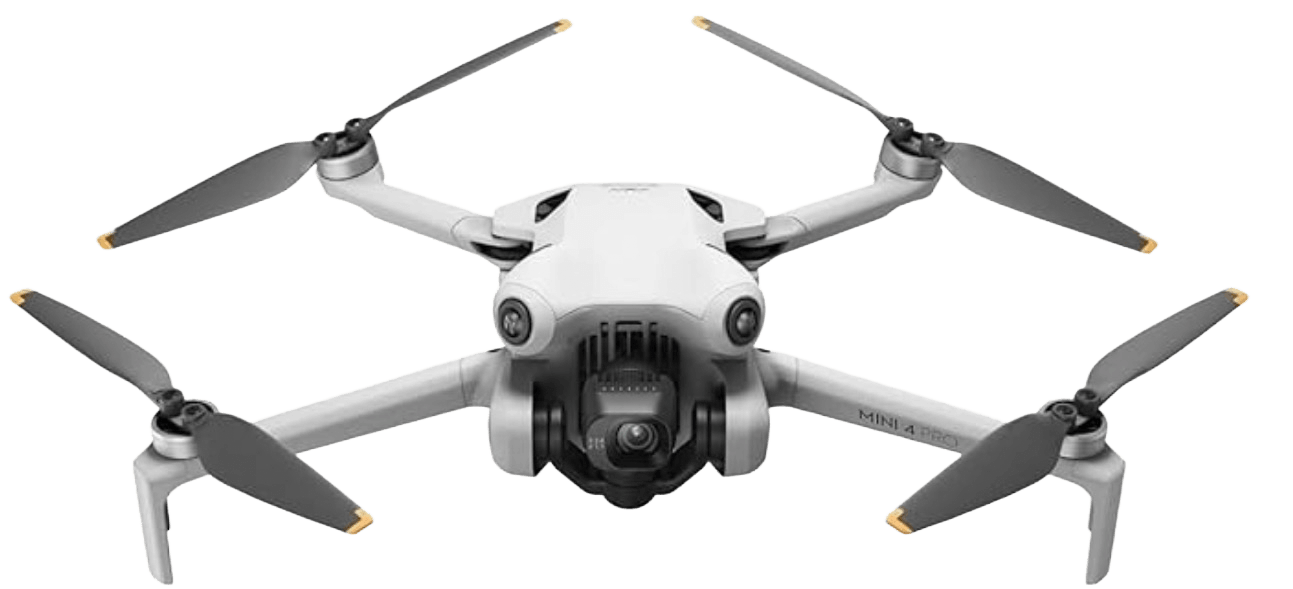
2. Weight category - drones under 250g like DJI Mini range fall into lighter regulation category making them much more practical for hikers
3. Flight time - most consumer drones offer 30-45 minutes per battery, always carry spare batteries
4. Wind resistance - important for mountain and exposed terrain flying, check the maximum wind speed rating
5. Camera quality - 4K is standard on most modern drones, look for good stabilisation and colour reproduction
Built with systeme.io
Lorem ipsum dolor sit amet, consectetur adipisicing elit. Autem dolore, alias, numquam enim ab voluptate id quam harum ducimus cupiditate similique quisquam et deserunt, recusandae.