
What's involved:
MAPS & COMPASSES
NAVIGATION APPS
GPS DEVICES
NAVIGATION WATCHES
Maps & Compasses
What to look for:
Maps and compasses are the backbone of hiking navigation and should always me carried regardless of what technology you have with you. Phones die, GPS devices malfunction, but a map and compass will never let you down.
Map Scale:
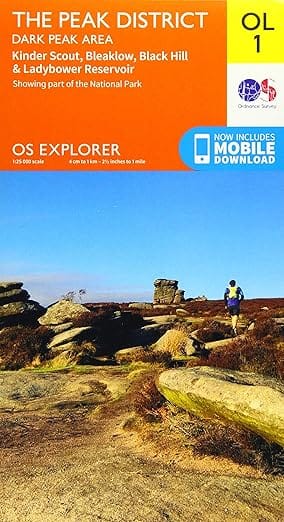
1. 1:25,000 (OS Explorer) - Best for walking, shows the fine detail and footpaths
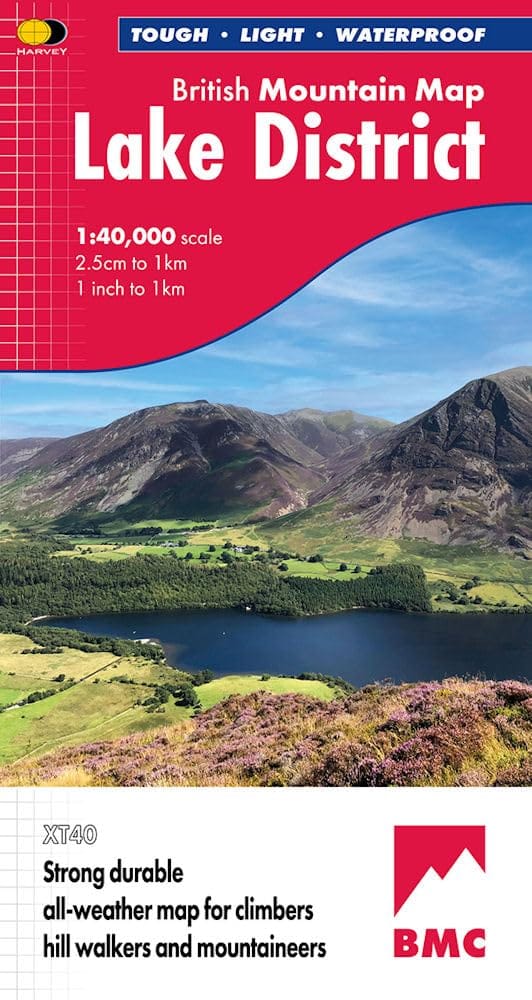
2. 1:50,000 (OS Landranger) - better for longer routes and bigger picture planning
Compass types:
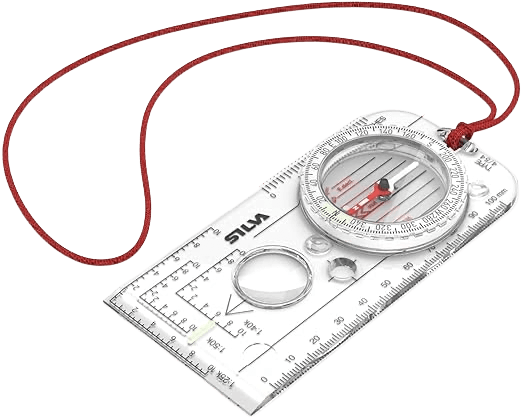
1. Baseplate - simple, lightweight, great for beginners
2. Mirror - more accurate for precise bearings, suits experienced navigators
Things to look out for:
1. Romper scales for measuring distances on OS maps
2. Rotating bezel for taking accurate bearings (check out the blog to learn to take bearings)
3. Luminous markings for low light conditions
4. Always account for magnetic declination in the UK
GPS Devices
What to look for:
A dedicated GPS device offers reliability that a smartphone simple can’t match. Built for outdoors, these devices are rugged, waterproof, and designed to perform where phones struggle most.
Battery life: Most run on AA batteries lasting 25+ hours - far more dependable than a phone in cold weather conditions.
Key features to look for:
1. OS map compatibility for UK hiking
2. Multiple satellite networks (GPS, GLONASS, Galileo) for faster positioning
3. MIL-STD-810 durability rating for drops and water resistance
4. Screen readability in bright sunlight and with gloves on
5. SOS capability - worth paying extra for on remote or serious hikes.
Navigation Apps
What to look for:
Navigation apps have transformed hiking for most people, putting detailed interactive maps in your pocket at low cost. The key difference from google maps is offline capability and proper topographic detail
Top Options for UK Hiking:
1. OS Maps - uses official Ordnance Survey data, best for UK trails
2. AllTrails - great for route discovery and community trail reviews
3. Gaia GPS - popular with serious hikers, multiple map layer options
Things to look out for:
1. Offline map download is essential - never rely on mobile signal in the hills
2. Battery drain is significant - always carry a power bank
3. Most worthwhile features require a paid subscription
4. Route planning tools to plan at home and follow on the trail



Navigation Watches
What to look for:
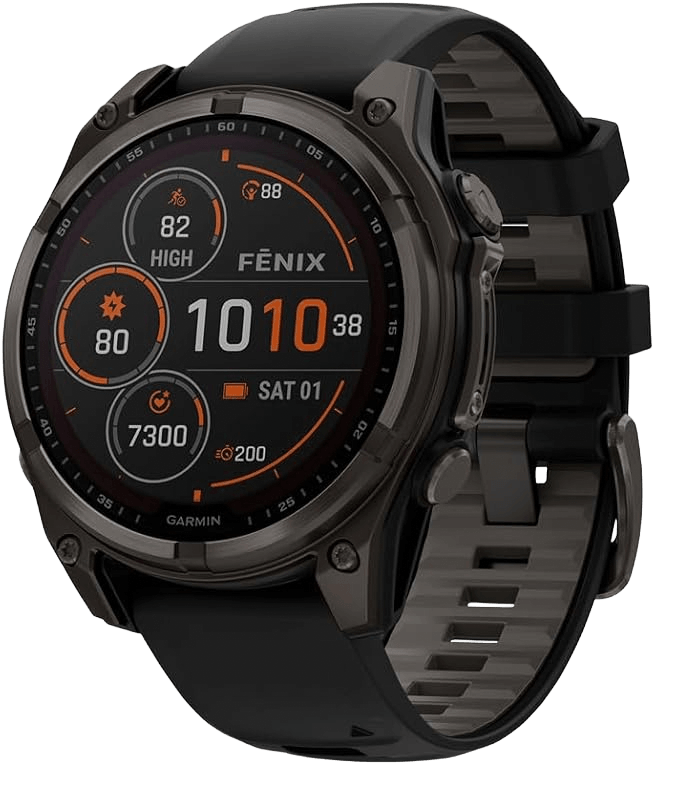
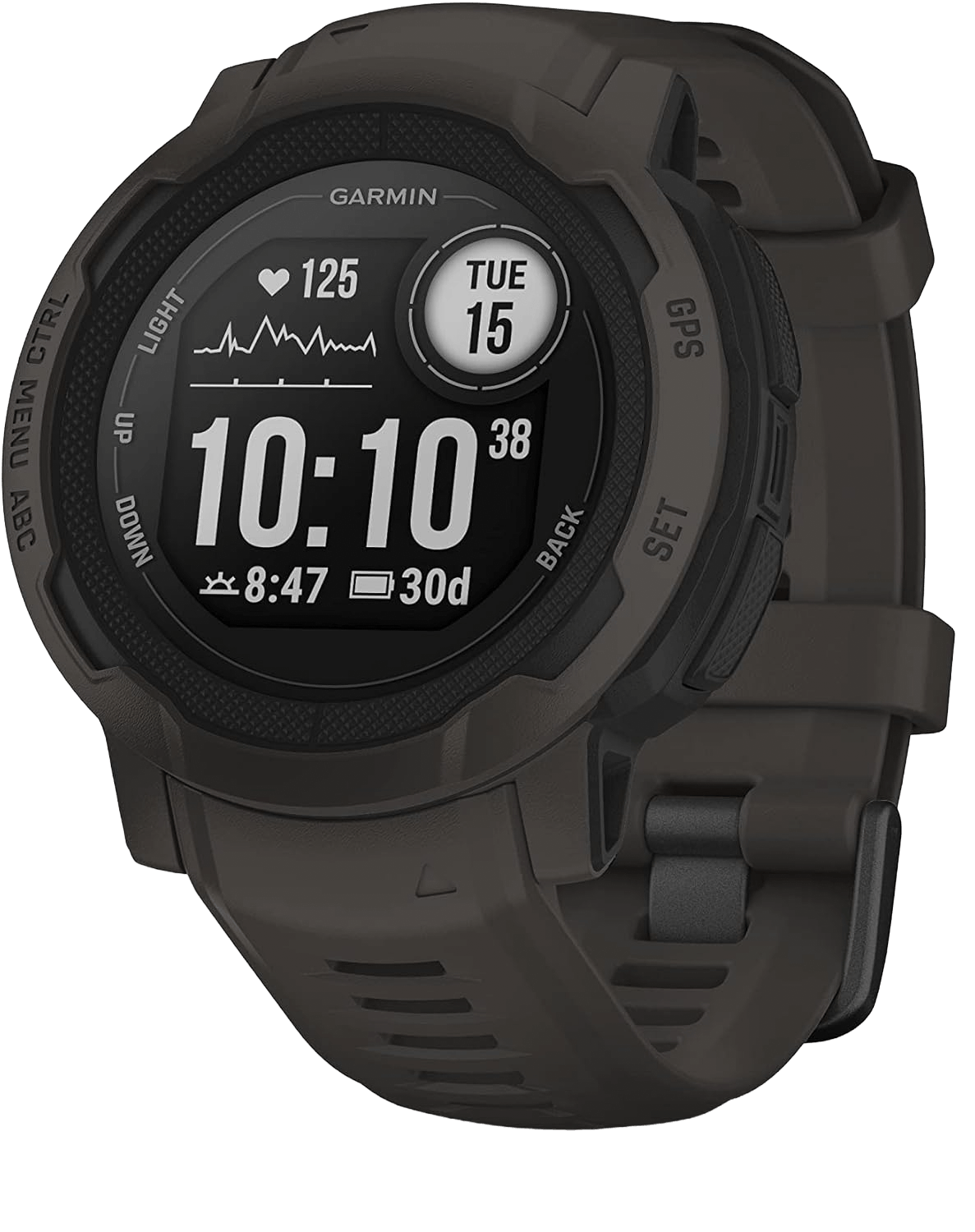
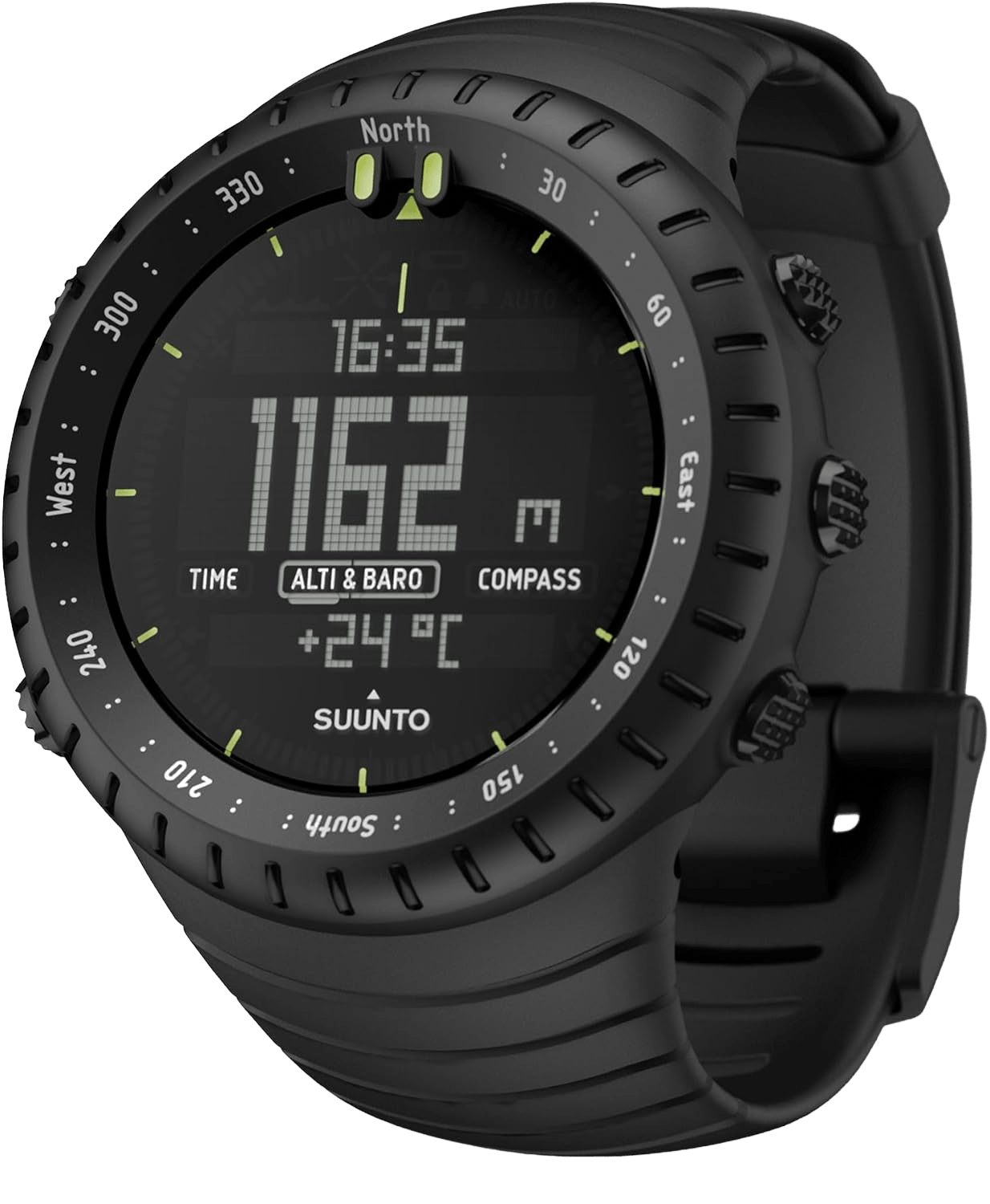
A GPS watch puts navigation on your wrist, keeping your hands free and allowing you to check your position at a glance. The best models offer full topographic mapping, route following, altitude tracking and multi-day battery life.
Things to look out for:
1. Battery life in active GPS mode - very different to standby time quoted on packaging
2. Whether the watch shows full topo maps or just a basic breadcrumb trail
3. ABC sensors - altimeter, barometer, and compass are essential for hiking
4. Screen size and resolution - small screens can be hard to read on the move
5. Durability - sapphire crystal glass and solid water resistance ratings are worth prioritising.
Built with systeme.io