What's involved:
CAMP STOVES & FUEL
FOOD & NUTRITION
COOKING & UTENSILS
WATER BOILING & HOT DRINKS
Camp Stoves & Fuel:
What to look for:
A reliable camp stove is the centrepiece of any outdoor cooking setup and choosing the right one can make a huge difference to your experience on the trail. Whether you’re boiling water for a quick brew on a day hike or cooking a proper meal at camp after a long day in the mountains, there’s a stove to suit every style of hiking and every budget.
Types of stoves:
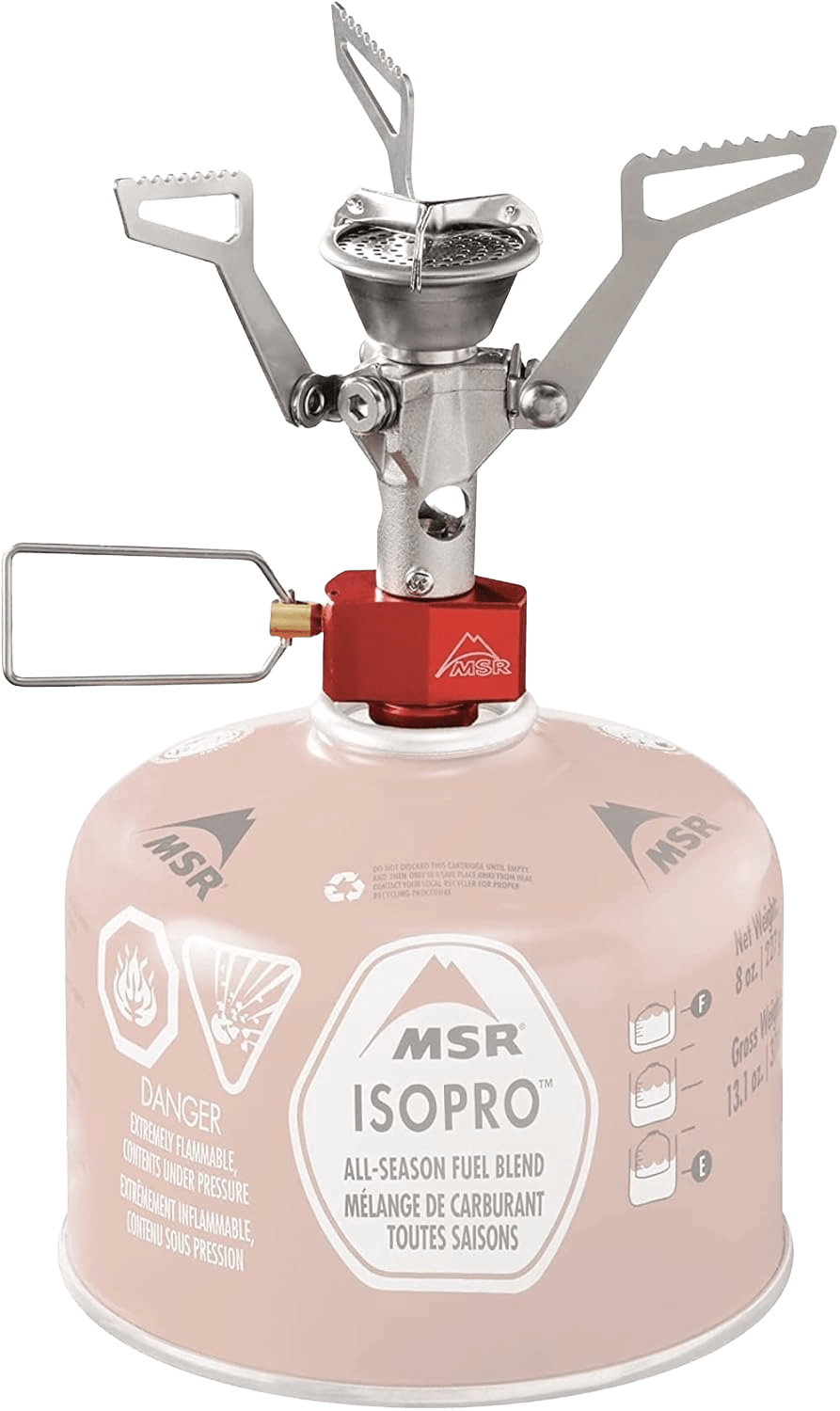
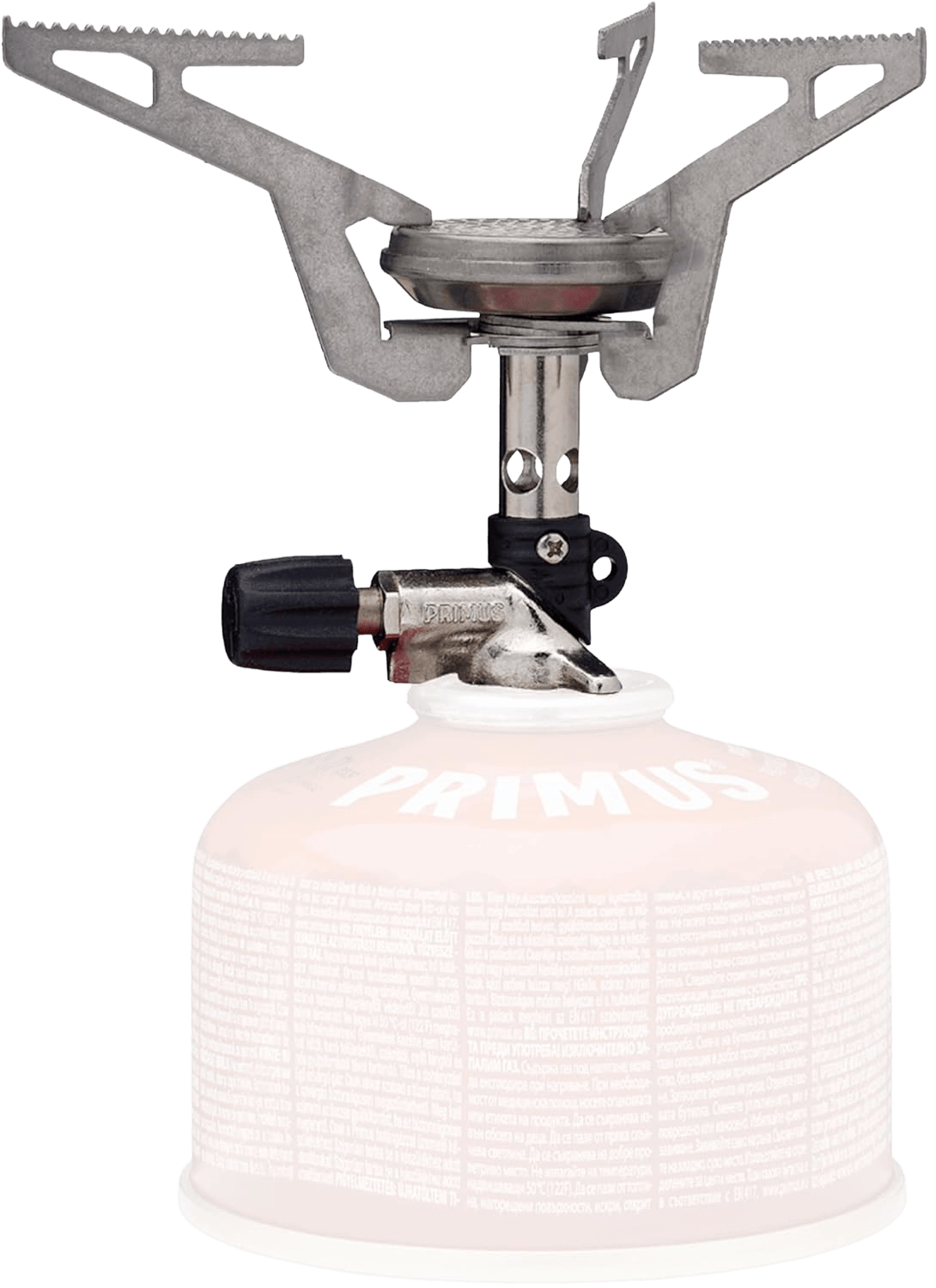
1. Canister stoves - screw directly onto a gas canister, lightweight, easy to use and great for most hikers
2. Liquid fuel stoves - more complex but perform better in cold weather and high altitude
3. Solid fuel stoves - ultralight and minimal, best as a backup option
4. Wood burning stoves - use natural fuel from the environment, no canister needed but slower and not suitable everywhere.
Things to look out for when buying:
1. Boil time - how quickly the stove can boil 1 Litre of water is a good performance indicator
2. Weight - every gram counts if you’re carrying everything on your back
3. Wind resistance - exposed terrain in the UK means wind resistance is important, look for build in wind shields.
Cookware & Utensils
What to look for:
Good cookware doesn’t need to be heavy or complicated - the best hiking cookware is lightweight, durable and compact enough to pack away without taking up valuable space in your bag. The right setup depends on whether you’re cooking solo or in a group, and whether you’re doing simple one pot meals or something more ambitious on the trail.
Key items to consider:
1. Pot and pan set - titanium or hard anodised aluminium, are the best materials for weight and durability
2. Spork - combining spoon and fork in one utensil
3. Mug - insulated mugs keep drinks hot far longer, worth the small extra weight
4. Cutting board and knife - a small lightweight folding knife and flexible cutting board cover most cooking needs
5. Pot grabber - essential for handling hot cookware safely
Things to look out for when buying:
1. Material - titanium is lightest but expensive, aluminium is a great mid range option, stainless steel is heavier but very durable
2. Non stick coating - makes cooking and cleaning much easier
3. Handle design - folding handles are more packable than fixed ones.
TOP RECOMMENDATIONS
Cookware & Utensils:
Food & Nutrition:
What to look for:
What you eat on a hike matters more than most people realise. Food is fuel and getting your nutrition right keeps your energy levels stable, your legs moving and your mood positive - especially on longer or more demanding hikes. The good news is that trail food has come a long way and there are now some genuinely tasty options available beyond the classic cereal bar.
Types of trail food:
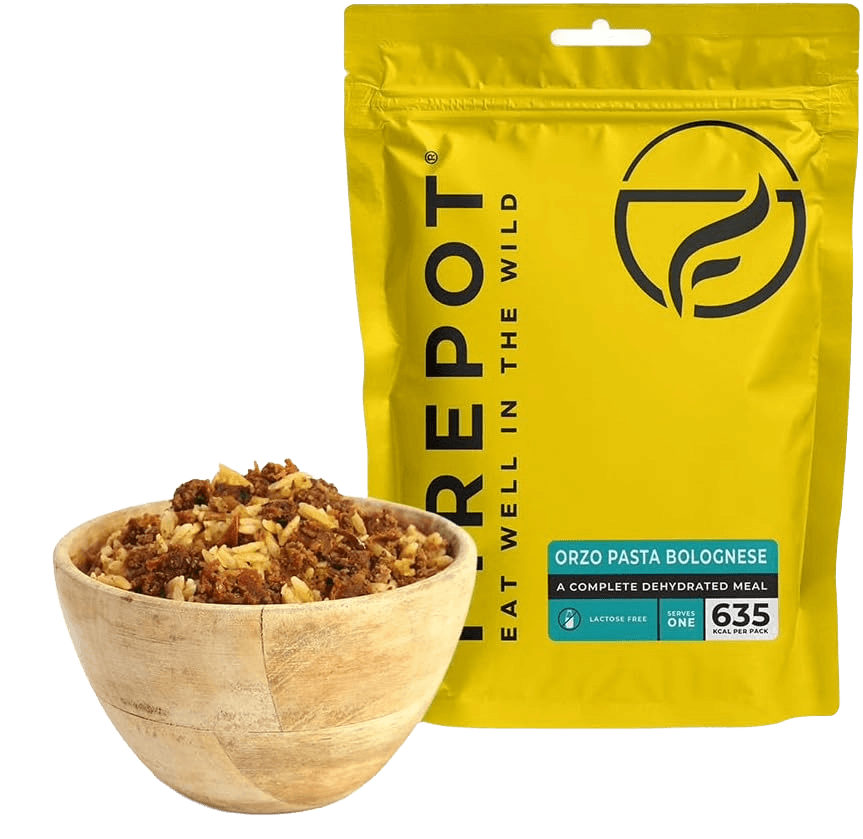
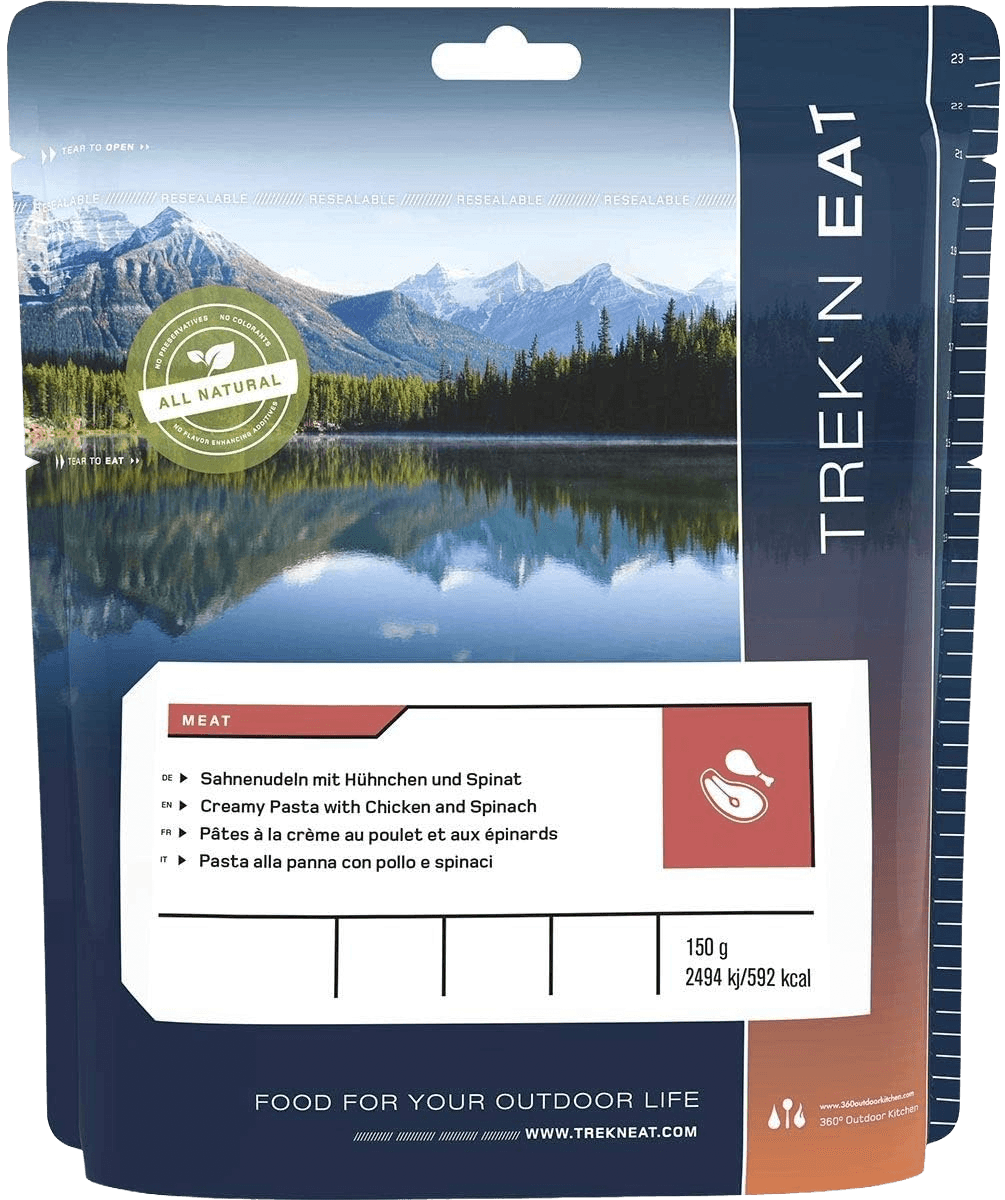
1. Freeze dried meals - just add boiling water
2. Energy bars and gels - quick and convenient
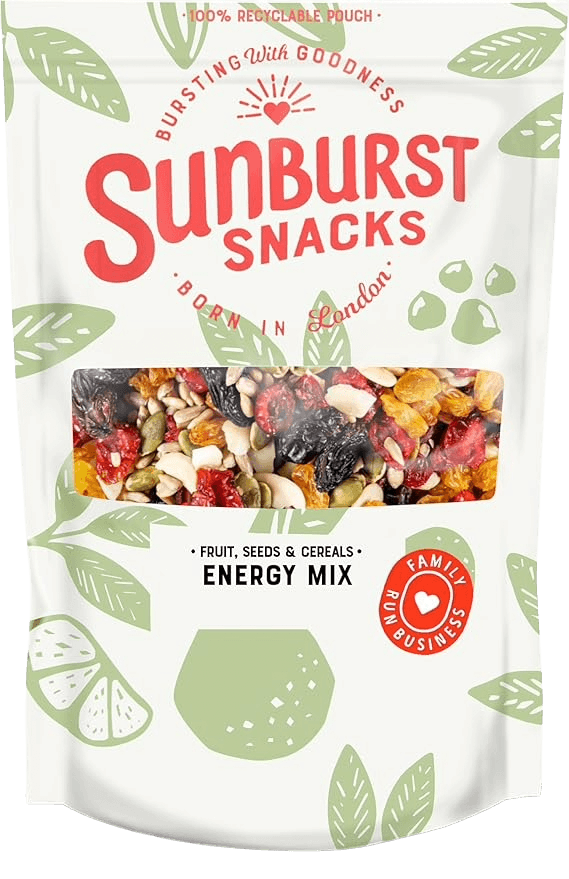
3. Nuts and dried fruit - calorie dense, lightweight
4. Instant oats - a brilliant lightweight breakfast option
5. Jerky and biltong - high protein snack that travels well and doesn’t need refrigeration
Things to look out for:
1. Calories density - aim for foods that pack a lot of calories into a small weight
2. Preparation time - on a cold wet day you want something quick and simple
3. Packaging weight - decant where to possible to reduce unnecessary packaging weight in your pack.
Water Boiling & Hot Drinks:
What to look for:
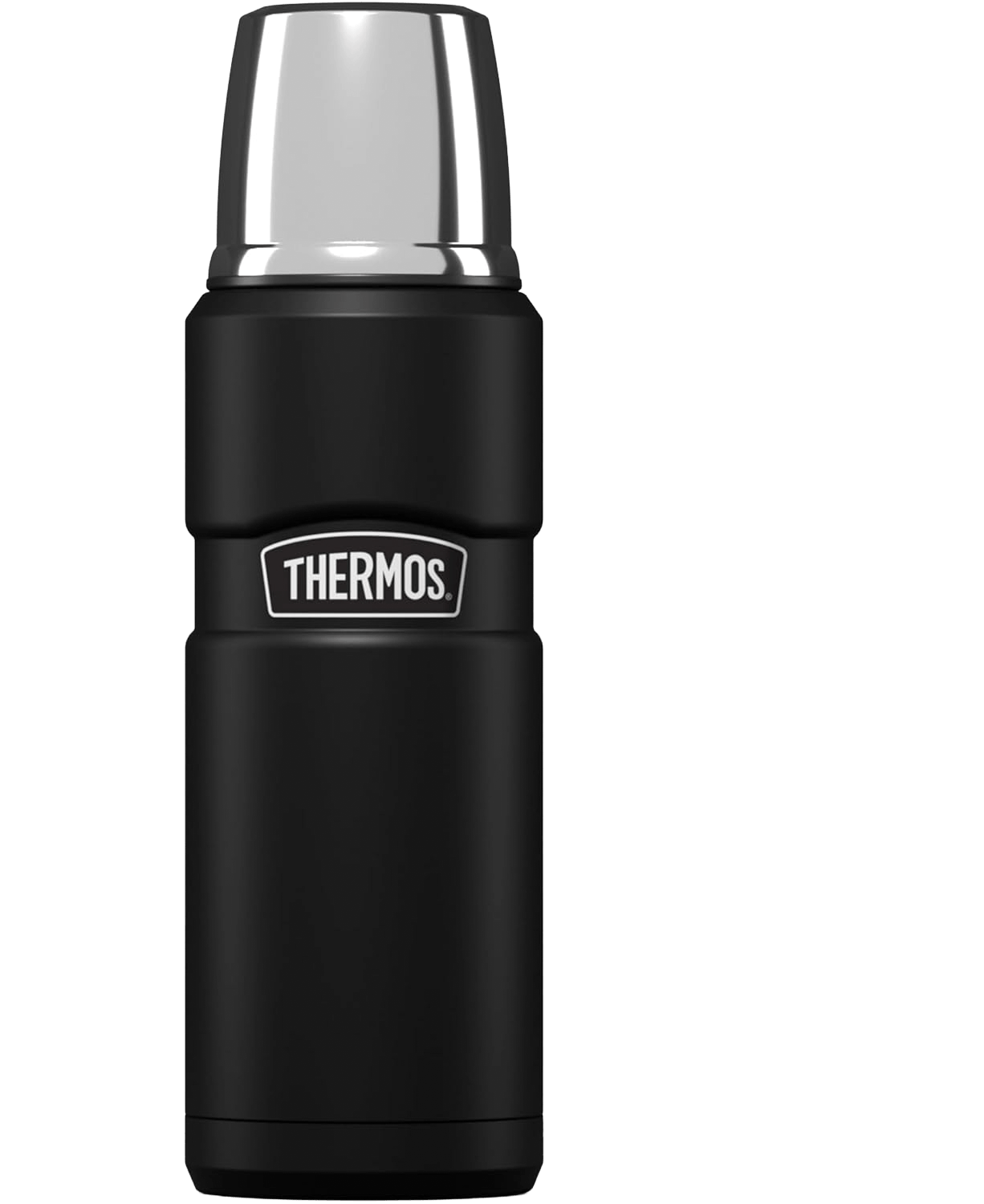
There is something uniquely satisfying about stopping on a hillside and making a hot drink with a view, and for many hikers it’s one of the best parts of a day out on the trail. Beyond the pleasure of it, having the ability to boil water quickly is also a practical safety consideration - hot drinks help prevent hypothermia and boiling water purifies it for drinking in remote areas.
Popular Options:
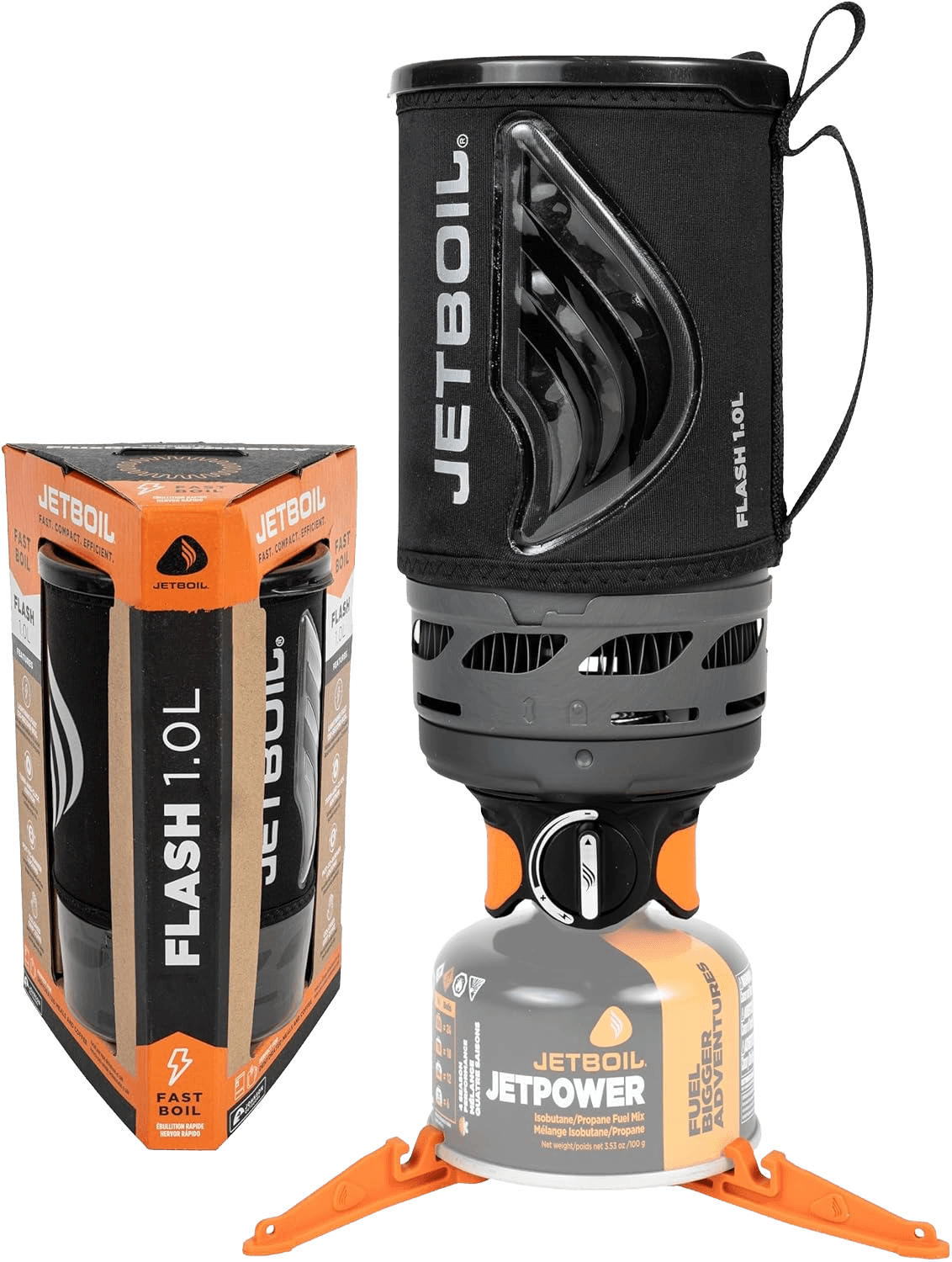
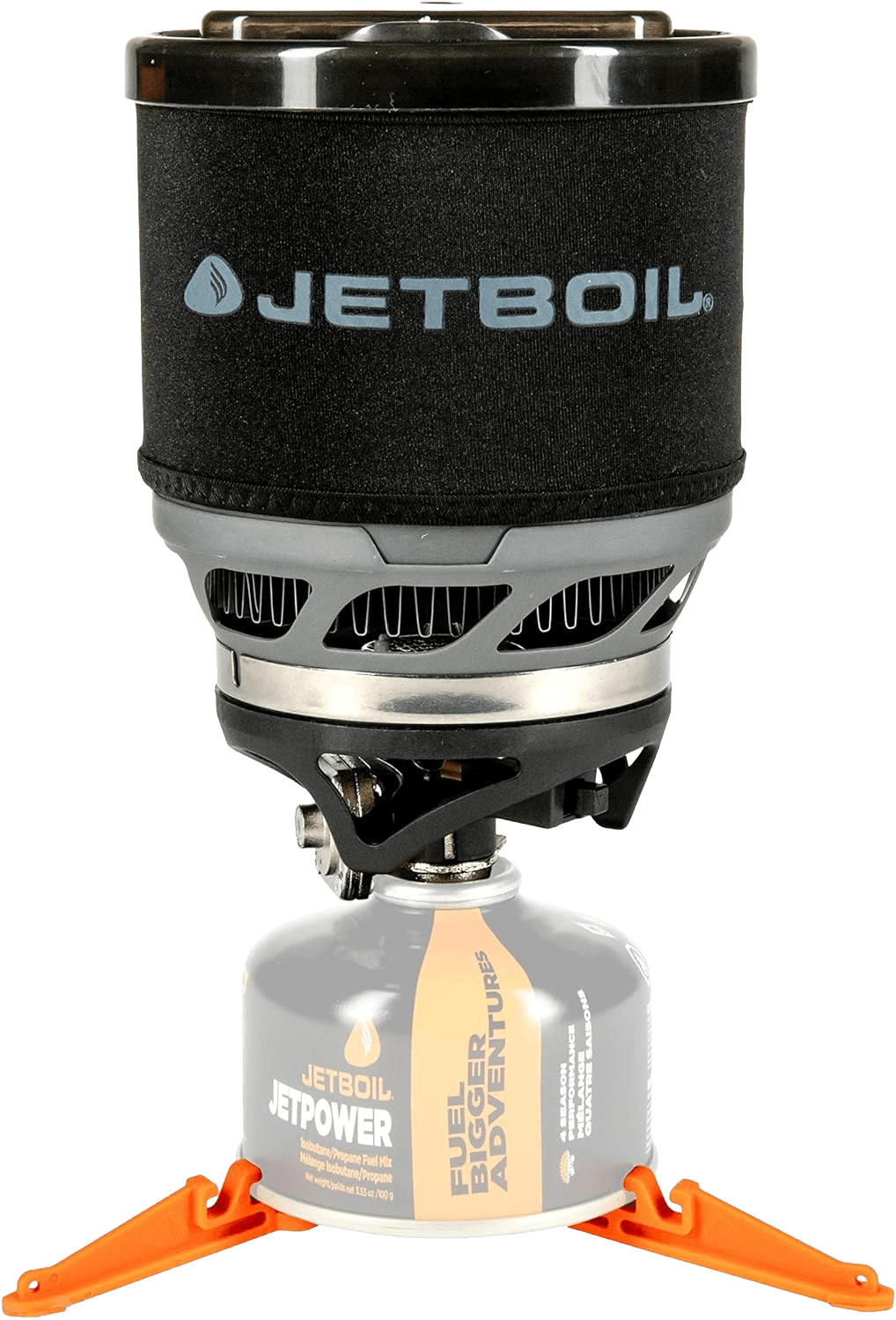
1. Jetboil systems - the gold standard for fast water boiling, incredibly efficient and windproof
2. Lightweight kettles - simple and packable
3. Instant coffee and tea bags - the simplest hot drink solution requiring nothing more than boiled water
Things to look out for when buying:
1. Boil time - a fast boiling system means less fuel used and less time waiting in cold conditions
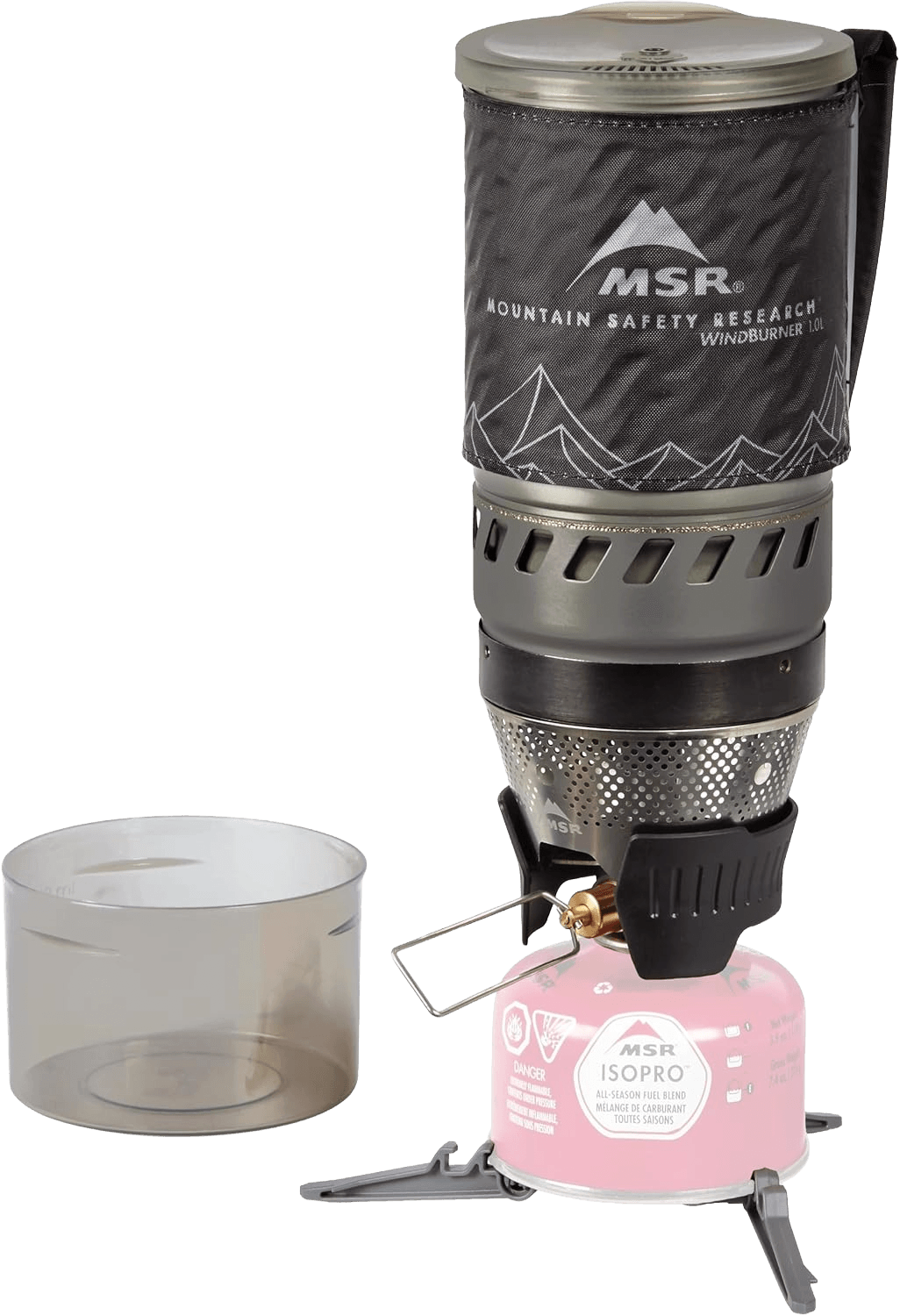
2. Fuel efficiency - integrated systems like the Jetboil are significantly more fuel efficient than standard stove and pot combinations.
3. Wind performance - boiling water in wind is frustratingly slow without a windproof system,.
Built with systeme.io