
What's involved:
SHELTER & BIVVY
WILD CAMPING LAWS
SLEEPING SYSTEMS
LIGHTING & CAMP SETUP
Shelter & Bivvy:
What to look for:
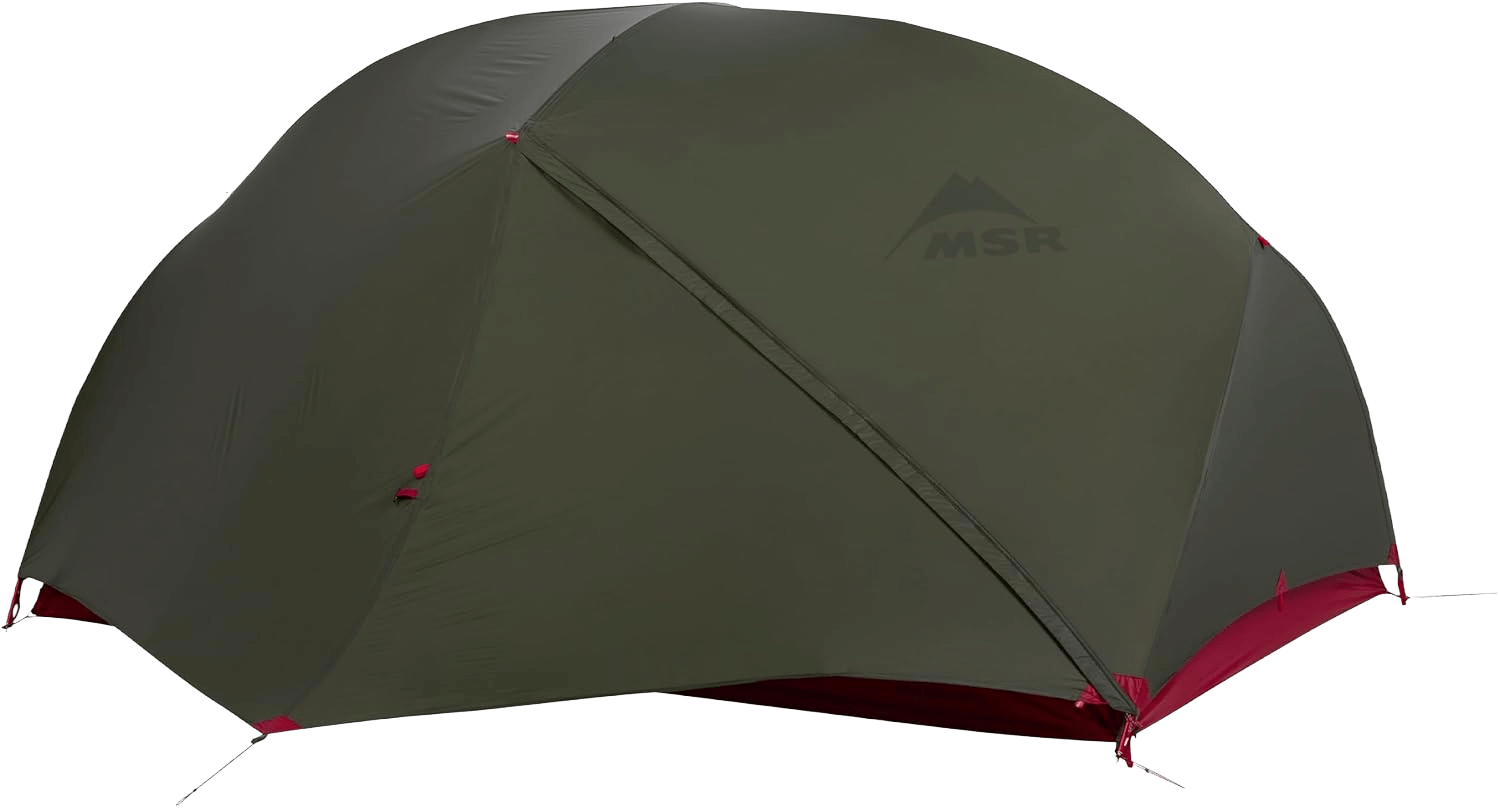
Choosing the right shelter for wild camping is one of the most important decisions you’ll make and gets more critical the more remote and exposed your location is. Unlike a campsite where you have some level of protection and facilities, wild camping means you are entirely reliant on what you’re carrying. You’re shelter needs to be lightweight enough to carry comfortably, robust enough to handle whatever the UK weather throws at it, and quick enough to pitch in deteriorating conditions.
Types of shelters:
1. Backpacking tent - the most popular option, good balance of weight, protection and comfort
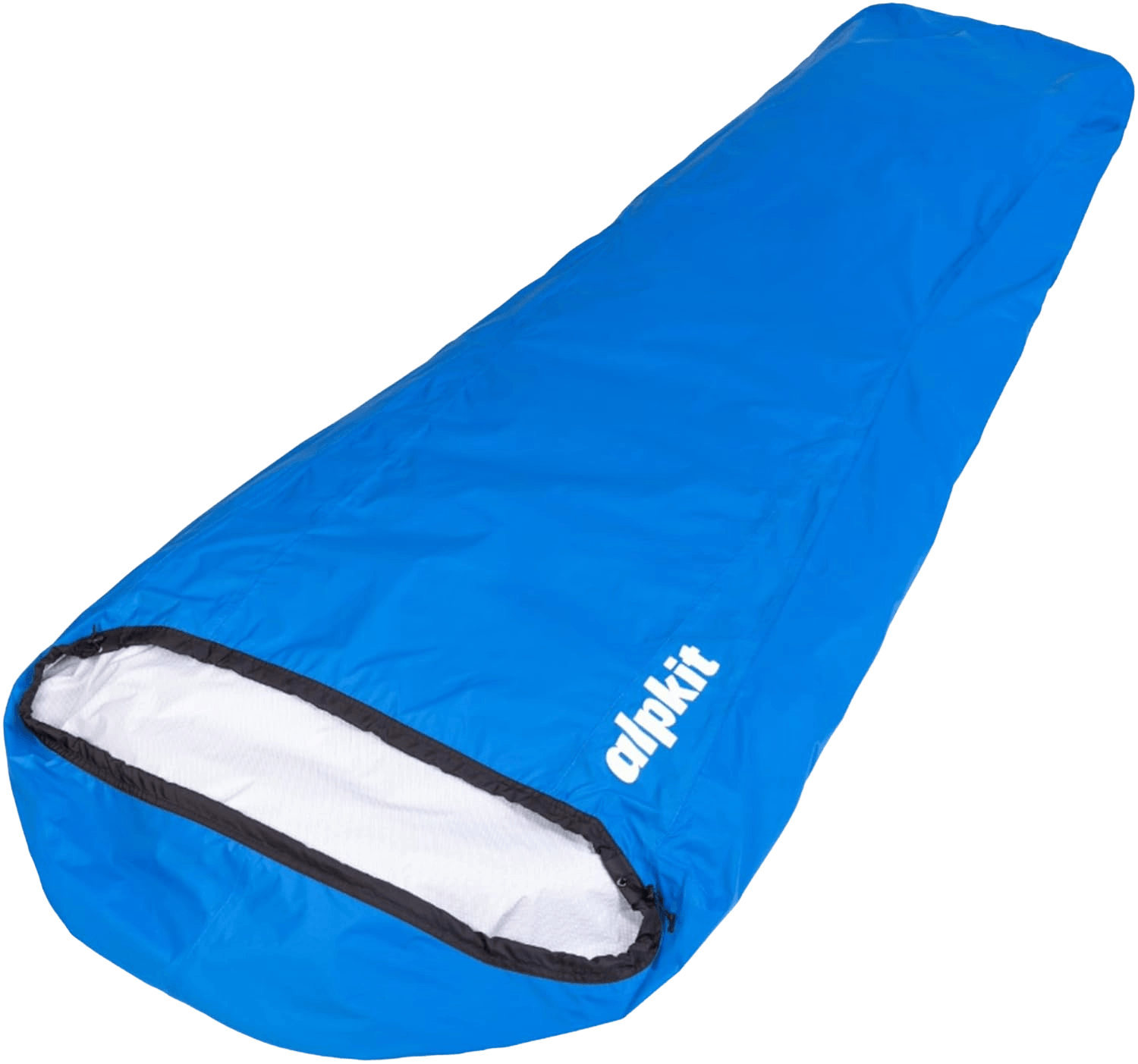
2. Bivvy Bags - ultralight and minimalist, essentially a waterproof sleeping bag cover, great for solo overnight trips
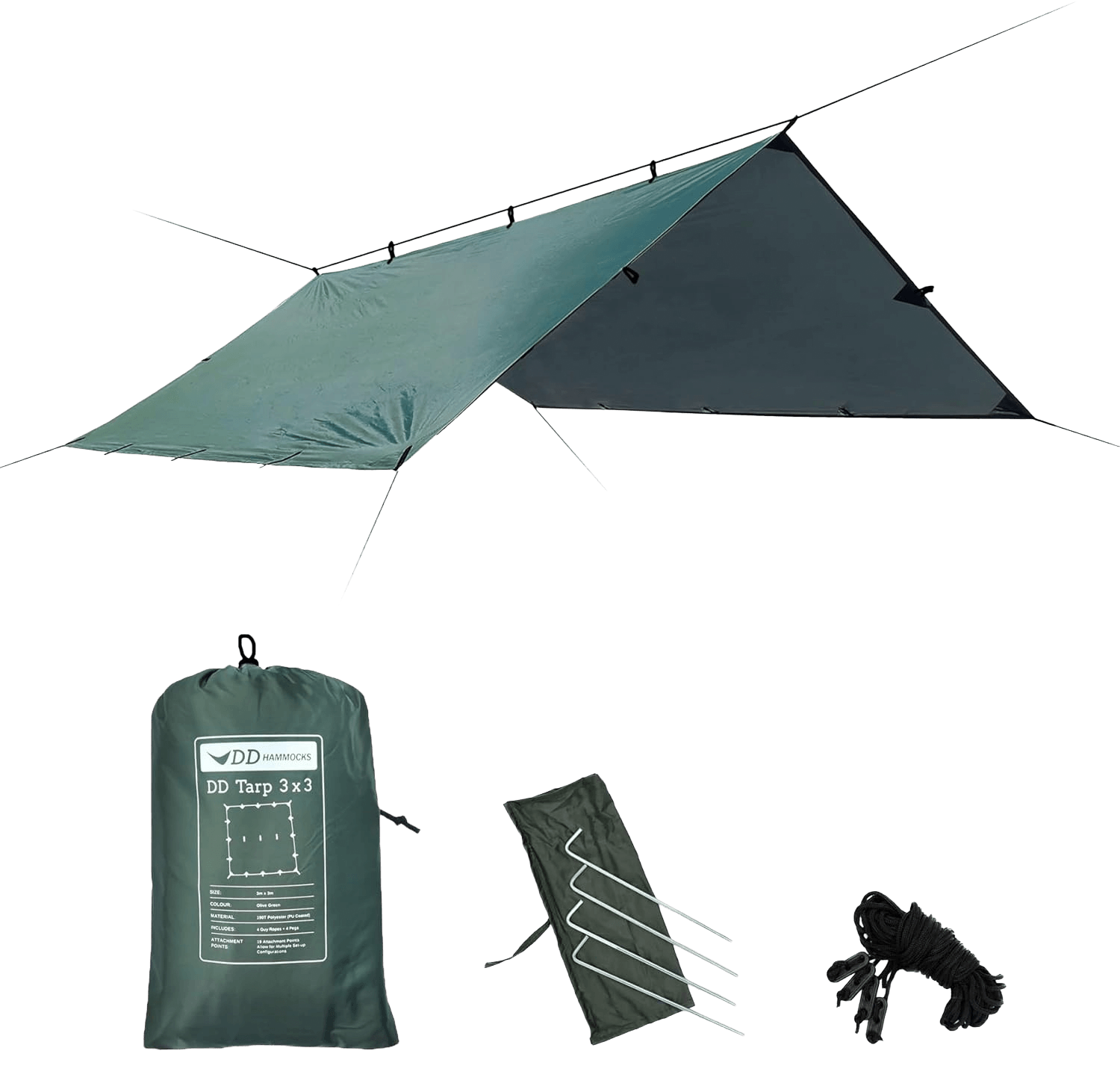
3. Tarps - extremely lightweight and versatile but requires skill to pitch effectively and offer less protection
4. Hammocks - a comfortable alternative where suitable trees are available but not practical in exposed terrain
Things to look out for when buying:
1. Weight - for wild camping you’re carrying everything.
2. Packed size - a shelter that doesn’t fit in your pack is useless
3. Seasonality - make sure it is rated for the conditions you’ll face.
4. Pitch time - in bad weather you want something you can pitch quickly and confidently.


Sleeping Systems:
What to look for:
A good sleeping system is what stands between you and a miserable night on the hill, and getting it right makes wild camping genuinely enjoyable rather than something to just endure. The three components of a sleeping system - sleeping bag, sleeping mat and pillow - work together to keep you warm, insulated from the ground and comfortable enough to actually sleep well after a long day on the trail.
The three components:
1. Sleeping bag - your primary source of warmth, choose a temperature rating slightly colder than you expect to face
2. Sleeping mat - critically important as the ground draws heat away from your body faster than cold air does
3. Pillow - inflatable camping pillows are lightweight and surprisingly comfortable
Things to look out for:
1. Temperature rating - always go slightly colder
2. Down vs synthetic - down is lighter and more compressible but loses insulation when wet
3. R value on sleeping mats - measures insulation from the ground, higher R value for colder conditions
Wild Camping Laws:
Leave NO Trace:
Wild camping in the UK is a topic that divides opinion and understanding the rules before you head out is essential. Unlike many European countries, wild camping in England and Wales is technically illegal on most land without the landowners permission. Scotland however has some of the most progressive outdoor access laws in the world, with the Land Reform Act giving a statutory right to wild camp almost anywhere as long as you do so responsibly.
UK Wild Camping Laws at a Glance:
1. Scotland - legal almost everywhere, responsible behaviour expected
2. England & Wales - technically illegal (civil offence) without the landowners permission on most land
3. Dartmoor - the only place in England with a legal right to wild camp in most areas
4. National Parks - some areas have informal tolerance of wild camping, always research before you go
Leave No Trace Principles:
1. Always camp on durable surfaces and avoid fragile vegetation
2. Bury human waste in a cat hole at least 200m from water sources
3. Carry all rubbish out with you, leave nothing behind
4. Us a stove rather than an open fire where possible
5. Leave everything exactly as you found it.
Lighting & Camp Setup
What to look for:
Once you’ve found your spot and pitched your shelter, having the right lighting makes setting up and spending an evening at camp significantly more comfortable and safer. Good lighting at camp serves multiple purposes - practical tasks like cooking and reading a map, safety and visibility in the dark, and simple creating a comfortable atmosphere after a long day on the hill.
Type of lighting:
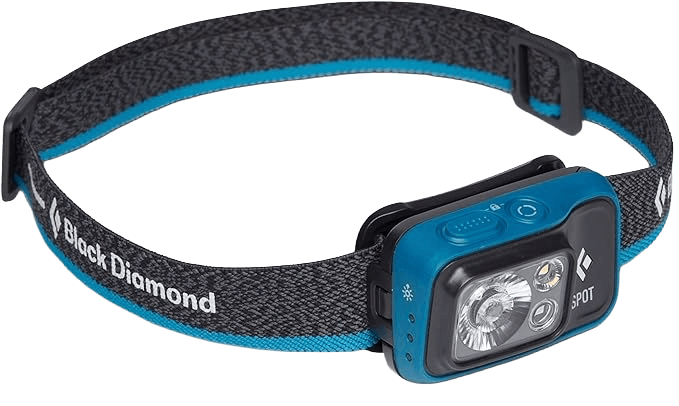
1. Head torches - the most essential and versatile
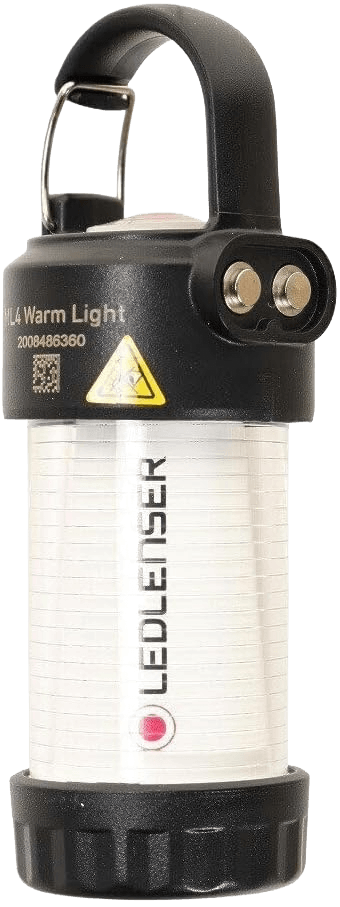
2. Lanterns - provide ambient light around camp
3. String lights - lightweight and surprisingly useful
4. Candle lanterns - traditional option
Things to look out for when buying:
1. Brightness level - multiple brightness settings preserve battery
2. Red light mode - preserves night vision and is less disruptive to wildlife
3. Battery type - rechargeable via USB is most convenient

Built with systeme.io