Welcome to hiking - one of the best decisions you’ll ever make. Whether you’ve been inspired by a stunning trail you’ve seen online, want to explore more of the incredible UK countryside, or are simple looking for a way to get outside and clear you head, hiking is one of the most rewarding and accessible outdoor activities there is.
This guide is designed to give you everything you need to take that first step with confidence. From choosing the right kit and picking your first route, to stay safe on the trail and keeping your energy levels up - we’ve got you covered. Let’s get into it.
What's involved:
ESSENTIAL KIT & WHAT TO WEAR
SAFETY & NAVIGATION BASICS
CHOOSING YOUR FIRST ROUTE
FUELLING YOUR HIKE
Essential Kit & What To Wear
What to look for:
Starting out in hiking can feel overwhelming when you look at the sheer amount of gear available, but the truth is you don’t need much to get started. A few key pieces of kit done well will serve you far better than a bag full of cheap gear that lets you down on the trail.
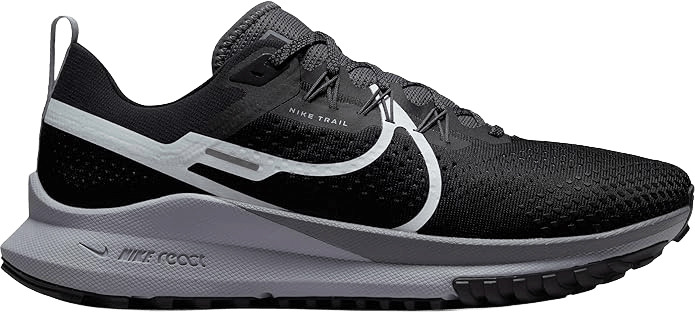
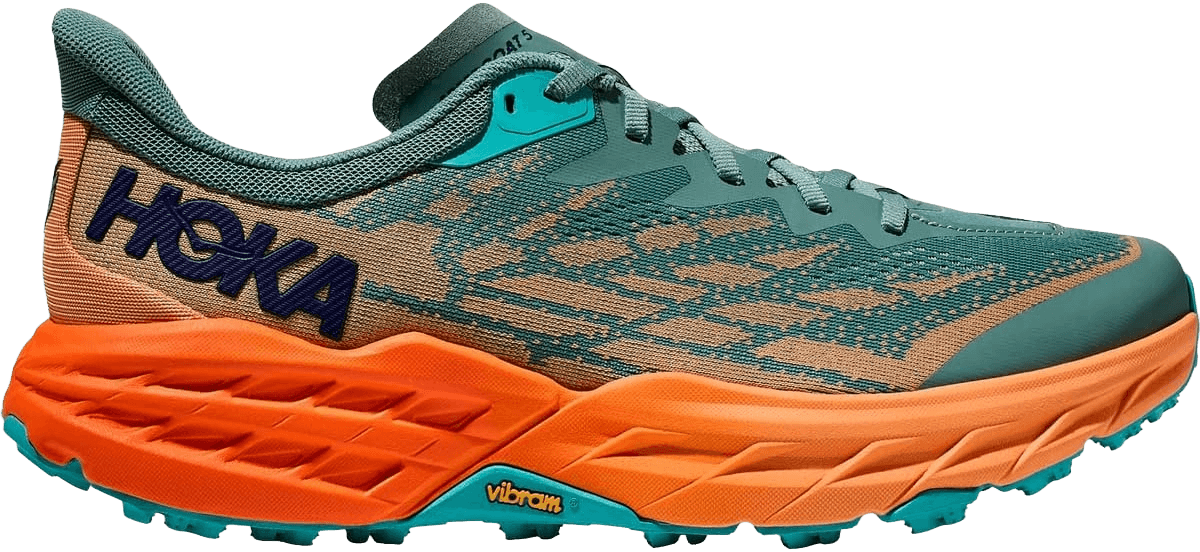
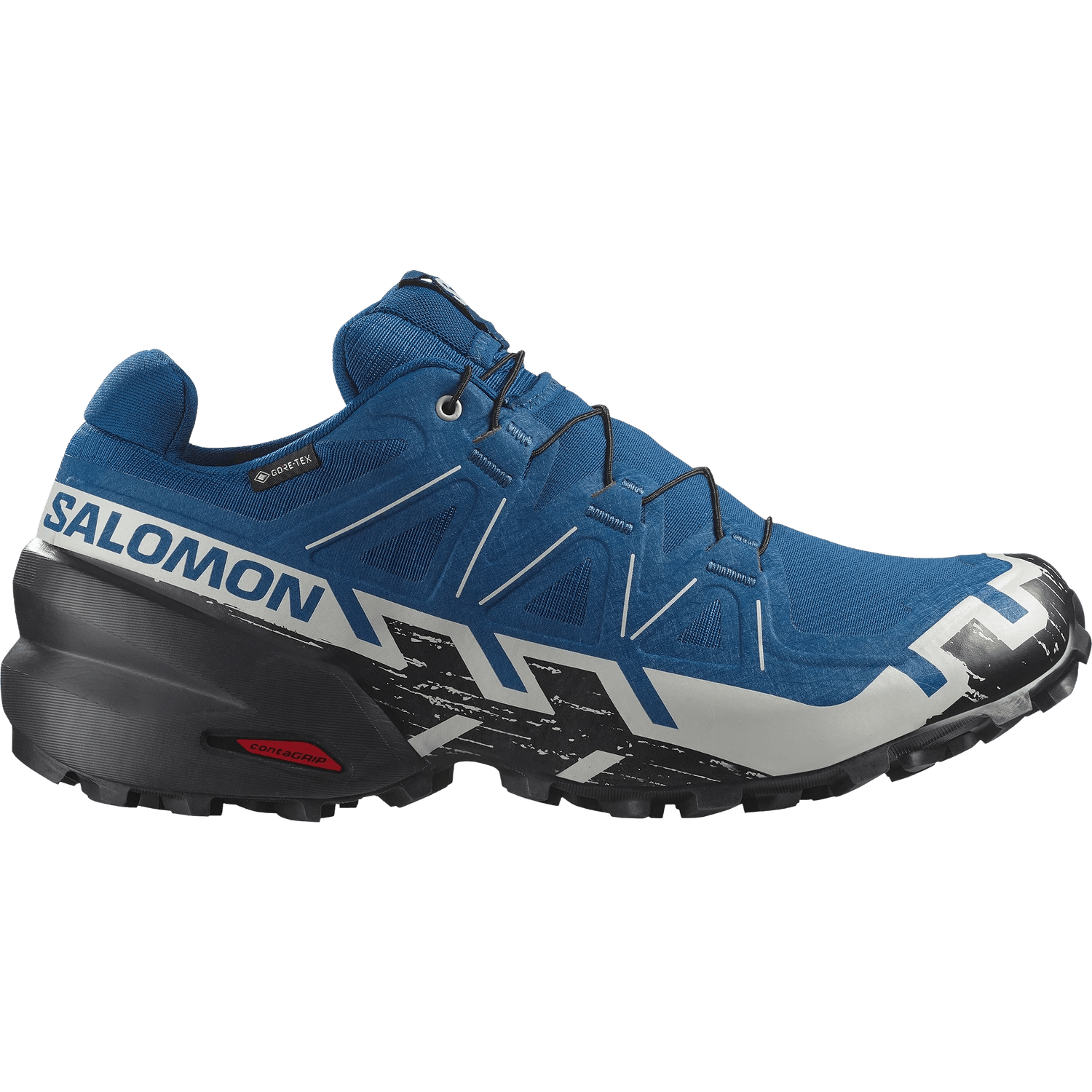
The most important purchase you’ll make as a beginner is your footwear. A good pair of hiking boots provides ankle support, grip and waterproofing that a pair of trainers simply can’t match. Something like the Salomon X Ultra 4 GTX is a brilliant entry level boot that offers genuine performance without breaking the bank. For a full breakdown of footwear options head over to our footwear guide.
Clothing wise the key principle is layering - three layers that work together rather than one thick jacket. A moisture wicking base layer keeps sweat away from your skin, a mid layer like a fleece provides warmth, and a waterproof out shell protects you from wind and rain. In the UK weather can change rapidly so always carry all three regardless of the forecast. Check out our full clothing guide for a detailed breakdown of what to look for.
Beyond footwear and clothing the other essentials are a comfortable daypack to carry your kit, a map and compass as a backup to your phone, and a basic first aid kit. You don’t need to spend a fortune - start simple, get out on the trail, and build your kit gradually as you learn what you need.
Choosing Your First Route:
What to look for:
Picking the right first route is just as important as having the right kit. Starting too ambitious can knock your confidence and put you off before you’ve really begun, while starting too easy might not give you the sense of achievement that keeps you coming back.
For a first hike aim between 5 and 10 kilometres with modest elevation gain - enough to feel like a proper adventure without being overwhelming. Well marked trails are your friend early on as they allow you to focus on enjoying the experience rather than worrying about navigation. Apps like AllTrails are brilliant for finding beginner friendly routes near you, with reviews and photos from other hikers giving you a realistic idea of what to expect.
In the UK there are fantastic options for beginners across the country. The Peak District, Lake District and South Downs all have well maintained trails with clear signage and stunning scenery that will leave you wanting more. Start with a circular route so you end up back at your car, check the weather forecast before you go, and always tell someone where you’re heading and when you expect to be back.
As your confidence grows you can gradually increase the distance and elevation of your routes. The sense of progression in hiking is one of the things that makes it so addictive - there is always a bigger hill or a longer trail to work towards.
Safety & Navigation Basics:
Staying safe on the trail
Safety on the trail doesn’t need to be complicated, but a few simple habits can make a huge difference and could genuinely save your life in an emergency. The good news is that for most beginner hikes in the UK the risks are manageable as long as you’re prepared and sensible.
The golden rules for safe hiking are simple. Always check the weather forecast before you head out and be prepared to turn back if conditions deteriorate - the hill will always be there another day. Tell someone your planned route and expected return time so that if something goes wrong people know where to look for you. Carry a fully charged phone but never rely on it as your only navigation tool as signal in rural and mountain areas can be non existent.
A basic understanding of map reading is really valuable skill to develop early. Ordnance Survey Maps are the standard for UK hiking and learning to read contour lines, identify landmarks and take a basic bearing will give you confidence in any conditions. Our navigation guide covers everything you need to know in detail.
For emergencies always carry a whistle - it sounds simple but it’s one of the most effective ways to signal for help and weighs almost nothing. A small first aid kit and an emergency foil blanket round out the basics and between them weigh less than 500 grams. For a full breakdown of safety kit head to our safety gear guide.
Fuelling Your Hike:
What to look for:
Food and water are easy to underestimate on a hike, especially as a beginner. Your body burns significantly more calories walking in the hills than it does going about your normal day, and dehydration and low energy levels are two of the most common reasons people struggle on the trail.
Water is the priority - aim for around half a litre per hour of hiking and more in warm weather or on demanding terrain. Always carry more than you think you need and consider a filter bottle like the LifeStraw as a backup so you can safely drink from streams and rivers if needed. Never rely on finding water on the route as sources can dry up especially in summer.
Food wise the key is little and often rather than one big meal. Snacks like nuts, dried fruit, energy bars and sandwiches provide a steady stream of energy that keeps you moving comfortably. Save something you’re really looking forward to for the summit or halfway point - it sounds small but having a treat to look forward to genuinely helps on tough sections of a hike.
For longer hikes a proper lunch stop makes a real difference to your energy levels in the second half of the day. A flask of hot soup or a warm drink from a lightweight stove can also work wonders for morale on a cold day in the hills. Head over to our cooking and food guide for a full breakdown of outdoor cooking options.
Built with systeme.io